

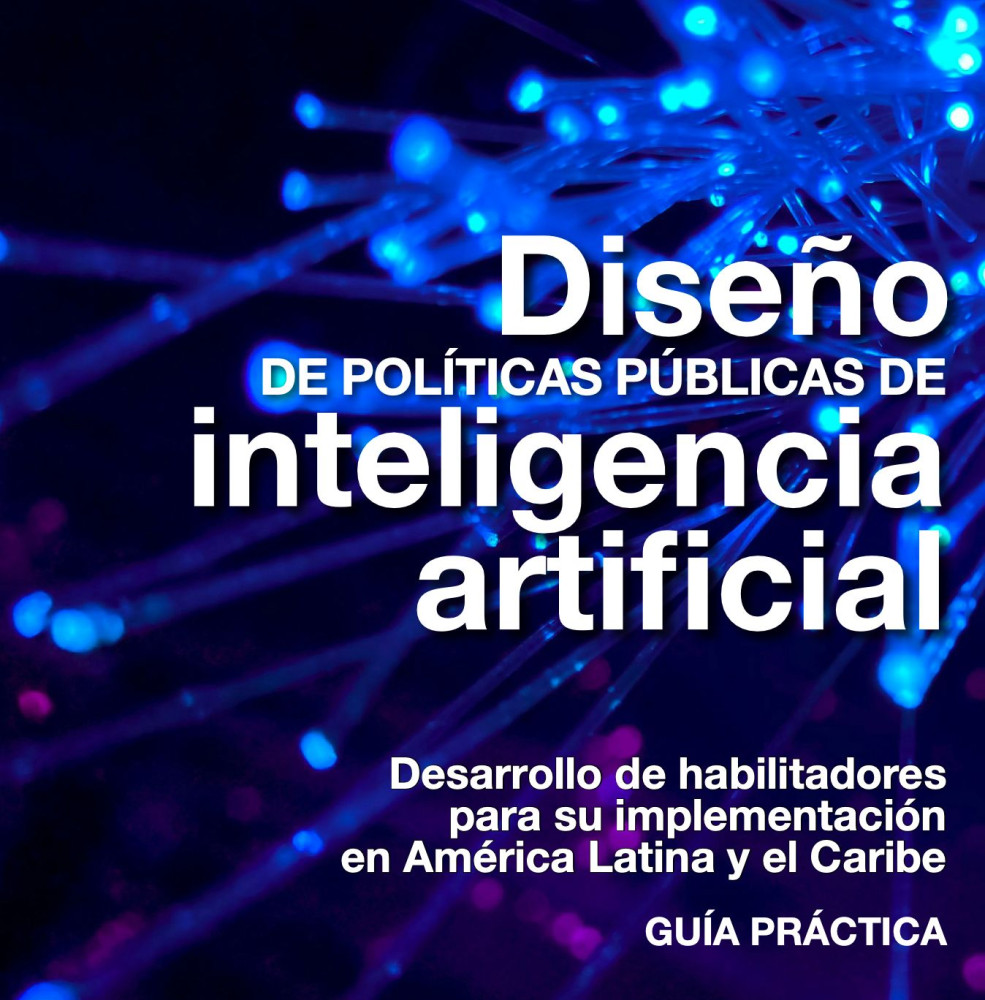
Description
One of the most disruptive technologies of the Fourth Industrial Revolution (4IR) is artificial intelligence (AI), which offers significant opportunities for solving public problems, such as mitigating corruption risks in public procurement, optimizing public spending, detecting tax fraud, generating alerts about school dropout rates, or identifying public health issues like the pandemic. It also allows for improved design and delivery of services to citizens, providing more timely, relevant, and personalized services, and enhancing the internal efficiency of the State through the automation of processes and repetitive tasks, via the development of products by national, subnational, and/or local administrations themselves, or in partnership with the private sector. Beyond its impacts on the modernization and digital transformation of the State, AI, as a general-purpose technology that has cross-cutting impacts in virtually all areas of economic, social and personal life, can positively impact areas such as adaptation to and mitigation of climate change, democratization of knowledge, personalization of education, strengthening of preventive and predictive health, and achieving greater efficiencies in the productive sectors, among others.
Institutions:
Resultados:
Sectors:
Thematic Areas:
Languages:
- Español
Beneficiaries:
- Public institutions
Countries:
- Latin America and the Caribbean (aggregate)
ÚNETE A LA CONVERSACIÓN:
Si quieres unirte y participar presiona "Quiero Colaborar"; si aún no tienes tu cuenta presiona "Registrarme".