+506 2216 0222
opsaa@iica.int


DID YOU KNOW?
-
GuyMIS Maps 21,354 Hectares of Mangroves
GuyMIS reports 21,354 hectares of mangrove extent in Guyana in 2020, including 12,142 hectares of losses and 4,845 hectares of gains between 2015 and 2020. The system also records 32 restoration projects implemented between 2010 and 2020, including 1... -
10 billion people will require more food
10 billion people will need to be fed through technologies that enable more food to be produced at a lower cost. -
US$9 billion for agricultural innovation
US$9 billion was allocated to new research aimed at increasing agricultural yields, compared with US$2.5 billion in 2016.
Science, Technology, and Innovation
Policies, Resources, and Strategies for the Governance and Management of Science, Technology, and Innovation in Agrifood Systems.
Resources
(312 records
)

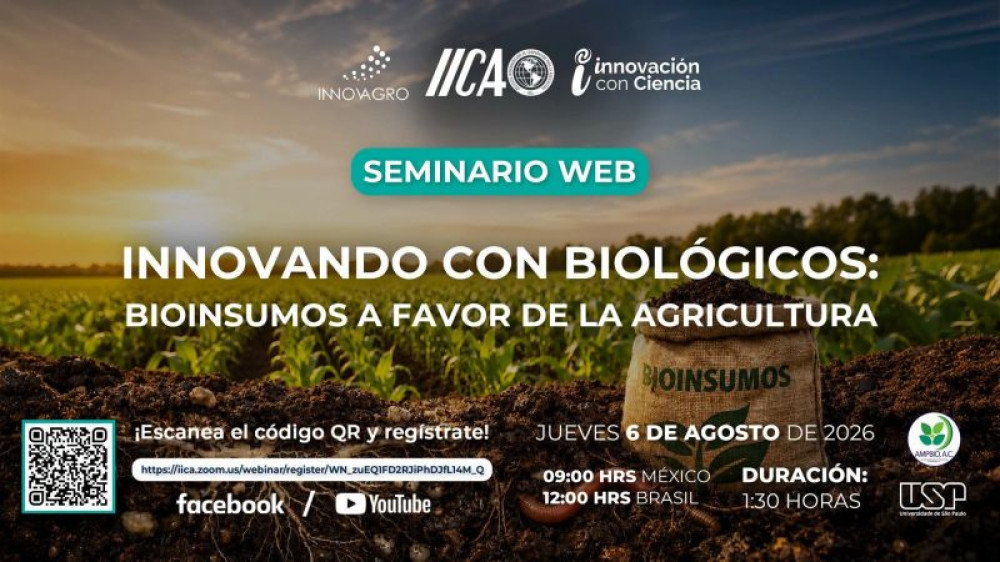
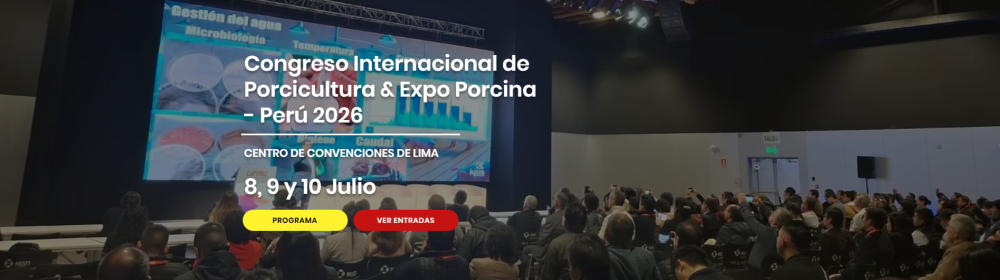
Events
(54 records
)

Evidences
(118 records
)
GuyMIS Maps 21,354 Hectares of Mangroves
GuyMIS reports 21,354 hectares of mangrove extent in Guyana in 2020, including 12,142 hectares of losses and 4,845 hectares of gains between 2015 and 2020. The system also records 32 restoration projects implemented between 2010 and 2020, including 19 seedling plantations and 13 green-grey infrastructure projects.
10 billion people will require more food
10 billion people will need to be fed through technologies that enable more food to be produced at a lower cost.
US$9 billion for agricultural innovation
US$9 billion was allocated to new research aimed at increasing agricultural yields, compared with US$2.5 billion in 2016.
More recent in politics
Investments and Public Expenditure
(385 records
- USD 110,497,975,902.00
)
Climate-Smart Livestock in Ecuador: A Strategic Partnership between FAO and the Private Sector
Pilot project implemented in Cayambe, Pichincha Province, to strengthen the capacities of technicians and family livestock producers in Climate-Smart Livestock. The intervention adapted and validated participatory tools, identified good livestock practices, improved digital data collection and analysis, and estimated greenhouse gas emissions using tools such as ODK and GLEAM-R. It was developed by Ecuadorian public institutions, FAO, GEF, and the company El Ordeño.
Climate Investment Project Portfolio under Article 6.2 of the Paris Agreement - Chile 2026
National portfolio of 22 climate mitigation projects enabled for implementation from 2026 through international cooperation mechanisms under Article 6.2 of the Paris Agreement and Chile's bilateral agreements with Switzerland and Japan. The initiative mobilizes more than USD 1.4 billion in climate investment and seeks to accelerate greenhouse gas emission reductions through carbon pricing and market instruments based on transparency, traceability and environmental integrity standards. Priority project types include energy storage, electromobility, capture and recovery of biogas from landfills, and actions related to native forest management and restoration.
Provincial Agricultural Services Program V - PROSAP V
Investment program aimed at improving productivity, marketing and value added in Argentina's agro-industrial production, with a focus on climate change adaptation. The operation seeks to increase the coverage and quality of public rural infrastructure services in intervention areas and increase adoption of technologies that improve economic profitability, environmental sustainability and product differentiation. The program includes investments in irrigation infrastructure, rural roads, electrification, digital connectivity, fire management and productive and commercial infrastructure, together with training, technical assistance, technology adoption and institutional strengthening for small and medium-sized agricultural producers, agro-industrial MSMEs, rural associations and cooperatives.
Policy frameworks
(393 records
)
Bolivia: Law No. 938 on Sustainable Fishing and Aquaculture
Law No. 938 regulates, promotes, encourages, and administers the use of fisheries and aquaculture resources within Bolivia, with the purpose of supporting the comprehensive and sustainable development of fisheries and aquaculture. The law declares these activities to be of social and strategic interest for food security and food sovereignty, defines the responsibilities of the competent institutions, and provides for regulation, licensing, supervision, institutional coordination, training, technical assistance, technology transfer, and research.
Sustainable Canadian Agricultural Partnership 2023-2028
The Sustainable Canadian Agricultural Partnership is a five-year agreement among Canada's federal, provincial, and territorial governments, running from April 1, 2023, to March 31, 2028. The agreement provides CAD 3.5 billion to strengthen the competitiveness, innovation, and resiliency of the agriculture, agri-food, and agri-based products sectors. It includes CAD 1 billion in federal programs and activities and CAD 2.5 billion in cost-shared programs, funded 60 percent by the federal government and 40 percent by provincial and territorial governments. Its priorities are sector capacity, growth and competitiveness; climate change and environment; science, research and innovation; market development and trade; and resiliency and public trust. The framework includes marketing, competitiveness, innovation, science, diversity, and assurance programs, as well as business risk management programs such as AgriStability, AgriInsurance, AgriInvest, and AgriRecovery and the Resilient Agricultural Landscape Program.
Development National Plan (Mexico) 2025-20230
The National Development Plan (NDP) serves as the roadmap for the objectives and actions of the Government of Mexico in the coming years. These objectives aim to consolidate the country’s transformation under a development model centered on well-being, social justice, and sustainability.
Good practices
(29 records
)
El Nino Emergency Assistance Project
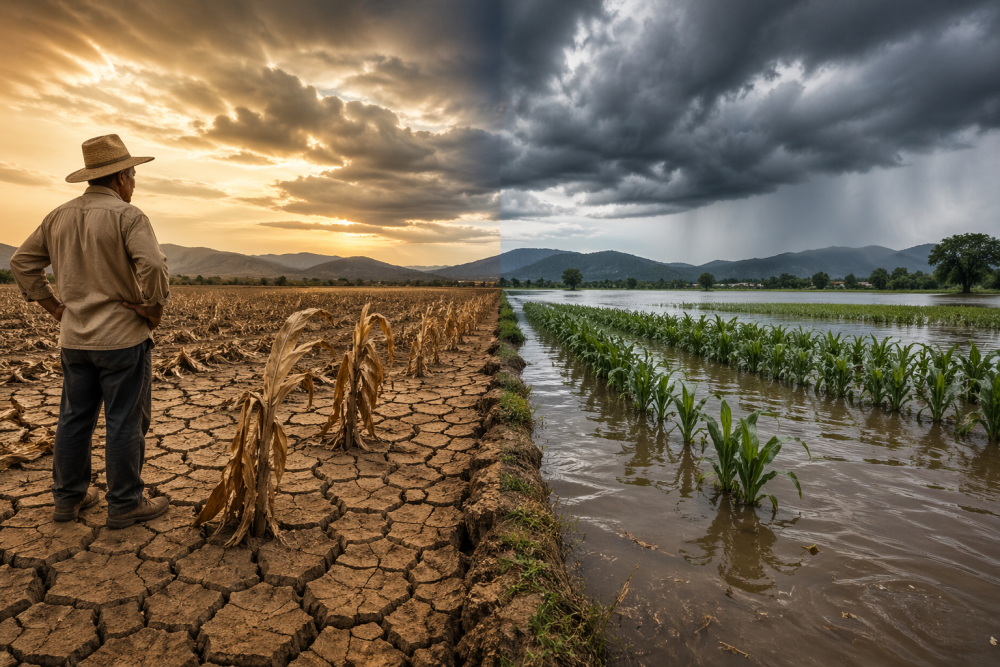
The project was part of a well coordinated effort by donors active in Guyana, to assist the Government in mitigating the impact of the El Niño Southern Oscillation (ENSO) phenomenon which affected Guyana starting in 1997. The El Niño Emergency Assistance Project was prepared in response to identified emergency prevention and reconstruction needs. The objectives of the project were: (a) help to restore the country's agricultural capacity in drought-stricken areas through vulnerability reduction measures in the areas of hydrologic extremes; (b) help in providing safe and reliable potable water service to marginal urban and remote hinterland and riverine communities which have been affected by drought; and help restore flood protection in low-lying areas of the City of Georgetown.
National Agricultural Innovation System Support Project (PNIA)
The project supports the establishment and consolidation of the National Agricultural Innovation System by strengthening the institutional capacity of the lead public agency, building decentralized innovation networks with public and private stakeholders, and administering competitive grant funds for subprojects in strategic research, adaptive research, agricultural extension, seed enterprise development, and capacity building. It includes a national and international scholarship program for researchers and extension professionals, as well as the design of a monitoring and evaluation system for the agricultural innovation system. Its objective is to create the conditions for member organizations of the national innovation system to improve their effectiveness in developing and delivering improved agricultural technologies to rural producers.
Strategy for Technological Innovation to Improve the Productivity and Competitiveness of Supply Chains in Central America and the Dominican Republic
PRESICA developed a regional agricultural innovation model based on Local Innovation Consortia, which bring together producers, research institutes, universities, NGOs, and the private sector around value chains for corn, beans, cassava, and sweet peppers. The strategy was grounded in producers’ technological needs to drive research, technology validation, technology transfer, and extension services with a territorial focus. The project operated in eight Central American countries and the Dominican Republic, forming 22 local consortia. It contributed to strengthening national and regional agricultural innovation systems as a public good.
Dialogue rooms
(2 records
)