

Description
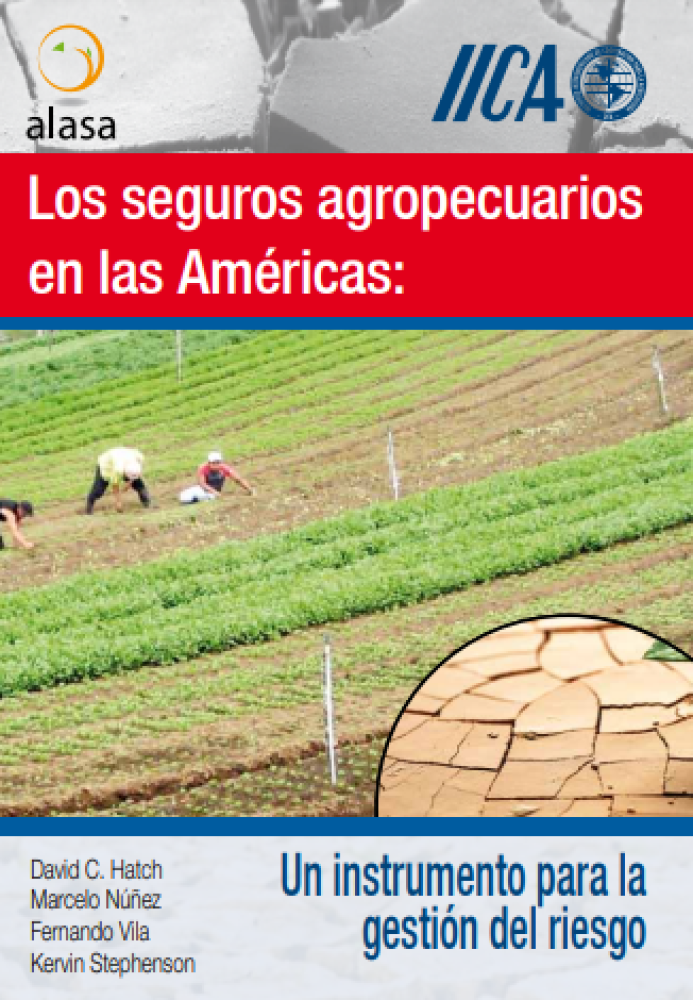
The objective of the study is to offer a conceptual characterization of the risks to which agriculture is exposed and of agricultural insurance as one of the instruments that contribute to cushioning the negative effects caused by climatic adversities. The document compiles the main regulations related to risk management and agricultural insurance, the institutions competent in the subject and the information systems that support the work of these institutions. Among the most relevant findings, the importance of agricultural insurance stands out to protect farmers from climatic and economic risks that may affect their production, allowing them to mitigate the effects of climatic adversities and maintain the economic and social stability of rural communities. Furthermore, the loss ratio is presented as a crucial indicator of the performance of agricultural insurers, helping to determine whether insurance premiums are adequate to cover the losses reported in a given period. The study highlights the importance of developing State policies that transcend specific administrations to consolidate an effective agricultural insurance system, which includes the creation of regulations and the strengthening of significant institutions. Furthermore, it is concluded that an effective agricultural risk management and insurance system requires the participation of multiple actors, including farmers, financial entities, insurers and the State, each with a considerable role in the sustainability of the system. Finally, the need to promote an insurance culture among farmers is emphasized to increase the adoption of agricultural insurance, which can be achieved through premium subsidies and awareness campaigns.
Institutions:
Authors:
- David C. Hatch
- Fernando Vila
- Kervin Stephenson
- Marcelo Núñez
Resultados:
Thematic Areas:
Instruments:
Languages:
- Español
Beneficiaries:
Countries:
- Latin America and the Caribbean (countries)
- Argentina
- Brazil
- Canada
- Chile
- Colombia
- Costa Rica
- Dominica
- Ecuador
- El Salvador
- Spain
- United States
- Grenada
- Guatemala
- Honduras
- Jamaica
- Mexico
- Nicaragua
- Panama
- Paraguay
- Peru
- Dominican Republic
- Saint Vincent and the Grenadines
- Saint Lucia
- Uruguay
- Venezuela
ÚNETE A LA CONVERSACIÓN:
Si quieres unirte y participar presiona "Quiero Colaborar"; si aún no tienes tu cuenta presiona "Registrarme".