Blog IICA

Motivation

A space to anticipate, understand, and act in response to one of the most influential climate phenomena affecting agrifood systems in Latin America and the Caribbean.

El Niño generates deep and recurring impacts: prolonged droughts, floods, crop losses, disruptions to fisheries, and increased price volatility. These effects not only threaten production, but also rural livelihoods, food supply, and market stability.

In a context of increasing climate variability and more frequent and intense extreme events, the challenge is not only to respond to crises, but to strengthen the capacity of agrifood systems to anticipate, adapt, and build resilience.

This dialogue space aims to bring together evidence, experiences, and policy tools to reduce vulnerabilities and better manage risks associated with El Niño. Key topics include early warning systems, water management, agricultural insurance, climate-resilient practices, and institutional coordination mechanisms.

Rather than reacting to emergencies, the goal is to move toward integrated strategies that combine prevention, adaptation, and transformation.

🤝 Join the dialogue and contribute to building more resilient and sustainable responses to El Niño.

Comments

Karla

Karla Vega

25/05/2026
El fenómeno del Niño pone a prueba la resiliencia de los sistemas agroalimentarios, evidenciando la necesidad de políticas más preventivas, adaptativa...
Default image

Kelly Johana Nieves Coca

24/04/2026
Iniciativas como ENANDES y ENANDES+ muestran la importancia de fortalecer capacidades y mejorar el uso de la información climática en la toma de decis...

Indicators


Events
(3 records )
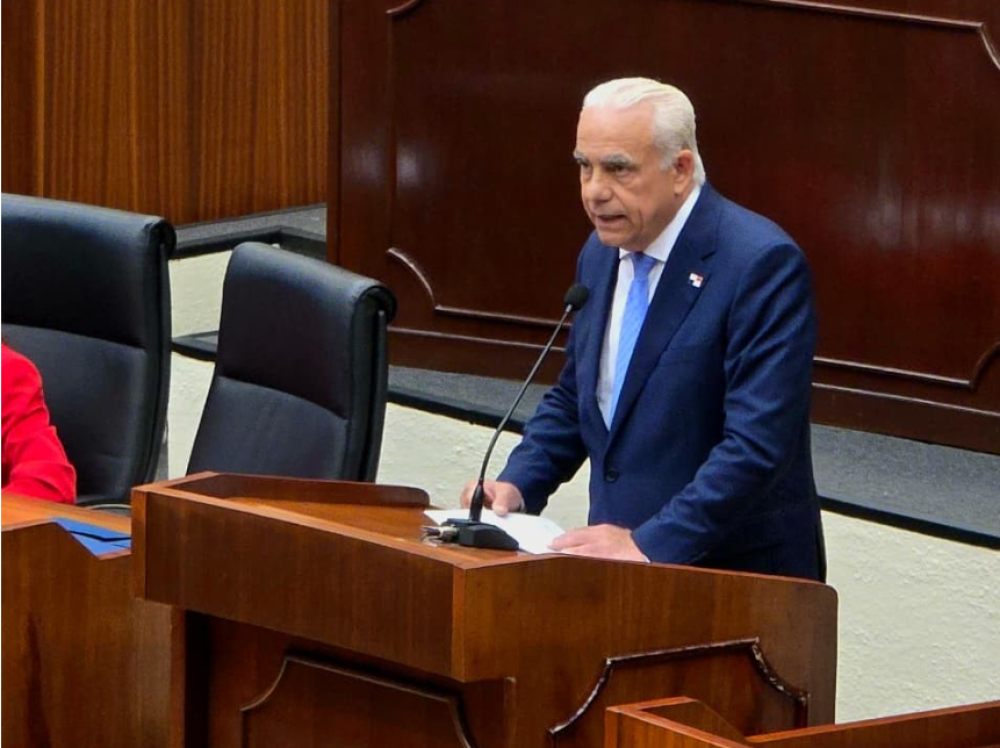
Minister Linares presents to the National Assembly MIDA actions to mitigate the impact of El Niño

Minister Linares presents to the National Assembly MIDA actions to mitigate the impact of El Niño

Panama Minister of Agricultural Development Roberto Linares appeared before the plenary session of the National Assembly to answer a ten-question questionnaire from legislators regarding actions implemented to address the impact of El Niño on the agricultural sector. During his presentation, he outlined measures to safeguard food supplies and address water availability, including the cleaning and rehabilitation of nearly 100 livestock watering facilities, arrangements to acquire three deep-well drilling rigs, an inventory of watercourses and the assessment of small masonry dams. He also reported continuous technical support through the Agroclimatic Tables, which have benefited more than 3,000 small and medium-sized producers, as well as the distribution of fertilizers to family farmers. MIDA reported approximately B/. 1.2 million already executed for machinery, medicines, livestock supplements and spare parts, together with B/. 8.21 million under the climate emergency declaration to expand mitigation measures in the Dry Arc. The Water Reserve Plan includes inventories and measurement of wells, rehabilitation and construction of watering facilities, reservoirs and pumping systems, and the acquisition and strategic reserve of forage. Measures also include strengthening the distribution of seeds, seedlings, biostimulants and fertilizers, sanitary control, precision spraying and pest and disease monitoring. Over the following twelve months, MIDA plans to address approximately 200 watering facilities and 30 small dams, while promoting water management as a permanent rather than temporary policy.
03/09/2026 00:00 pm
03/09/2026 00:00 pm
El Niño Stakeholders’ Forum

El Niño Stakeholders’ Forum

Guyana Ministry of Agriculture hosted an El Niño Stakeholders’ Forum on August 27, 2026, at the Arthur Chung Convention Centre, bringing together farmers, technical agencies, private-sector representatives, development partners and other agriculture-sector stakeholders. The forum examined the latest climate outlook and practical measures to safeguard agricultural production as El Niño conditions persist. Minister of Agriculture Zulfikar Mustapha stressed the importance of responsible water conservation and management as reduced rainfall and higher temperatures affect parts of the country. The National Drainage and Irrigation Authority reported that water resources were currently adequate, while the Ministry highlighted ongoing measures to keep irrigation pumps operational and undertake excavation, drainage and irrigation works to improve water availability and distribution. The Hydrometeorological Service presented an updated outlook indicating that El Niño is likely to persist through the remainder of 2026 and could continue into early 2027. Farmers were encouraged to adjust planting schedules, irrigation practices and crop management, adopt climate-smart approaches and work closely with technical agencies to identify risks and protect farms and livelihoods. Preparedness measures also extend to livestock, fisheries and aquaculture and are intended to maintain agricultural production and strengthen Guyana food security.
27/08/2026 00:00 pm
27/08/2026 00:00 pm
.

Join to conversation

If you want to join and participate, press "I want to collaborate"; if you dont yet have an account, press "Register".