

Description
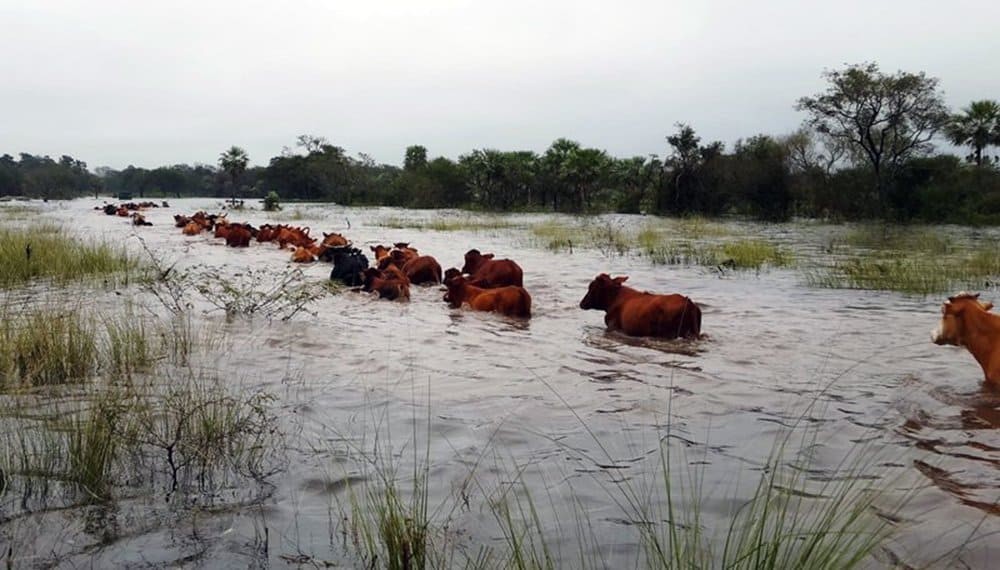
The research identified the effects of agriculture on the hydrological properties of the South American plains. As annual crops replaced native vegetation and grasses, floods gradually doubled their cover, increasing their sensitivity to precipitation. It is shown that the replacement of native vegetation and grasslands by agricultural crops has led to increased flooding in this region.
Using remote sensing data and groundwater monitoring stations, it was found that over the past four decades agricultural areas have experienced a gradual increase in flooding as groundwater shifts from deep to shallow states. Loss of deep-rooted native vegetation and decreased rooting depths in croplands are identified as the causes of this hydrologic transformation. These findings highlight the increasing flood risks associated with the expansion of agriculture in the South American plains.
The expansion of agriculture in the South American plains has led to increased flooding in the region. Through analysis of remotely sensed imagery and groundwater records, a progressive increase in newly flooded areas was observed since 1977, particularly in areas of agricultural crops. These flooded areas continued to increase in size after 2000 as agricultural expansion consolidated in the plains. The analysis reveals that native vegetation, grasslands, and woody vegetation cover play an important role in modifying hydrology. Decreased rooting depths and evapotranspiration in croplands are identified as the causes of the observed hydrologic changes.
These findings highlight the need for policies that address flood risks associated with agricultural expansion in these areas. The findings presented here are critical for future land use policies that support agriculture, water management, and rural cities in smarter and more integrated ways.
Institutions:
Authors:
- Esteban G. Jobbágy
- Javier Houspanossian
- Juan I. Whitworth-Hulse
- Marcelo D. Nosetto
- Mariana C. Rufino
- Peter M. Atkinson
- Raul Giménez
- Wlodek Tych
Resultados:
Thematic Areas:
Instruments:
Languages:
- English
Beneficiaries:
Countries:
- Argentina
- Bolivia
- Brazil
- Paraguay
- Uruguay
ÚNETE A LA CONVERSACIÓN:
Si quieres unirte y participar presiona "Quiero Colaborar"; si aún no tienes tu cuenta presiona "Registrarme".