

Description
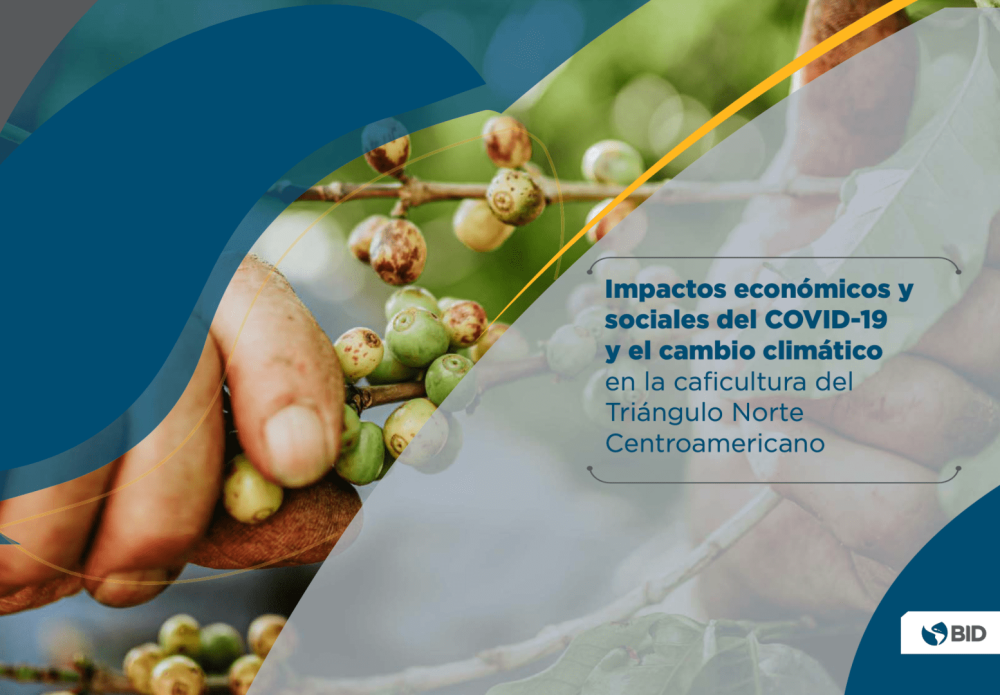
In the Central American Northern Triangle, the coffee value chain plays a preponderant role in the economy and social fabric. In Guatemala, Honduras and El Salvador, it contributes up to 5% of GDP and around a quarter of a million families depend on it for their livelihoods, most of them smallholder families. The chain presents challenges in terms of productivity, labor availability, profitability and inclusion, among others. These challenges are exacerbated in the context of COVID-19 and climate change. The IDB and the Hanns R. Neumann Stiftung Foundation, with the participation and support of coffee institutions, developed a study to analyze this situation. The objective of the study was to provide quantitative information to guide decision making. The results highlight important elements in terms of gender, youth and indigenous peoples. The impact of climate change is imminent, as well as the effect of COVID-19 at the family and productive unit level. In addition, it is reported that migration is differentiated. The analysis concludes by pointing out similarities and differences between the countries, lessons learned from the different actors in the chain and recommendations for strengthening sustainable, resilient and inclusive development in this area.
Institutions:
Authors:
- Alejandro Roblero Bogantes
- Ana R. Ríos
- Claudia Muñoz
- Jalima Noguera Marenco
- Pablo Ruiz
Resultados:
Sectors:
Thematic Areas:
Instruments:
Languages:
- Español
Beneficiaries:
- Public institutions
- Youth
Countries:
- Central America
- El Salvador
- Guatemala
- Honduras
ÚNETE A LA CONVERSACIÓN:
Si quieres unirte y participar presiona "Quiero Colaborar"; si aún no tienes tu cuenta presiona "Registrarme".