- Infobae
+506 2216 0222
opsaa@iica.int


Description
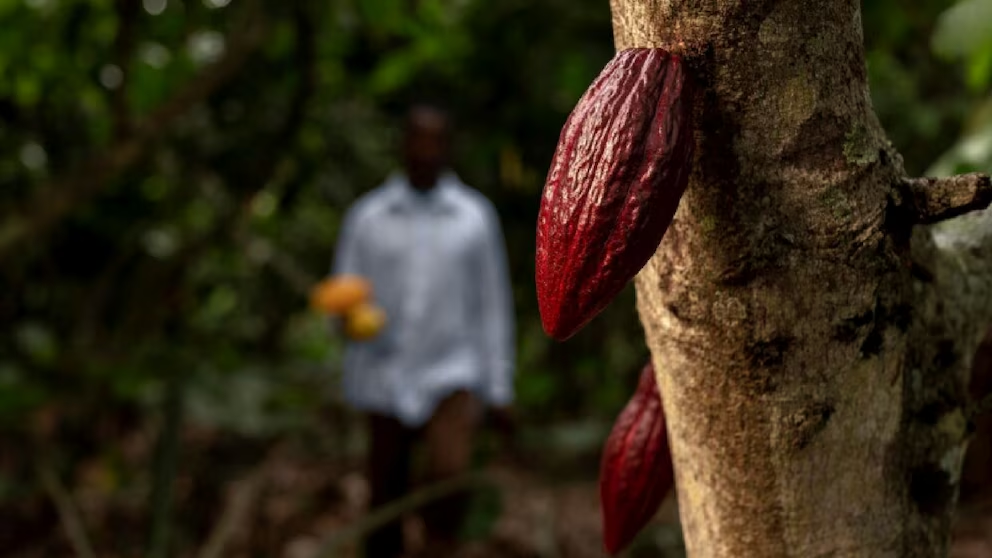
Research conducted by Harvard University and the University of Ghana found that heavy rainfall during the wet season, together with insufficient precipitation during the dry season, explains a significant share of year-to-year variations in cocoa yields. The study examined two decades of production and weather data from Ghana and identified similar patterns in Ecuador and Indonesia. Its findings indicate that large-scale climate phenomena such as El Niño can help predict low-yield years several months in advance. Such forecasting could provide timely warnings to producers and support adaptation measures, including disease control, greater vegetation cover and improved management of leaf litter. The article also notes that production volatility affects global supply, cocoa prices and the cost of chocolate products for consumers.
Authors:
Sectors:
Thematic Areas:
Instruments:
Languages:
- Español
Beneficiaries:
- Agricultural producers
- Consumers
Countries:
- World (aggregate)
- Ecuador
- Ghana
- Indonesia
Join to conversation
If you want to join and participate, press "I want to collaborate"; if you dont yet have an account, press "Register".