+506 2216 0222
opsaa@iica.int


Description
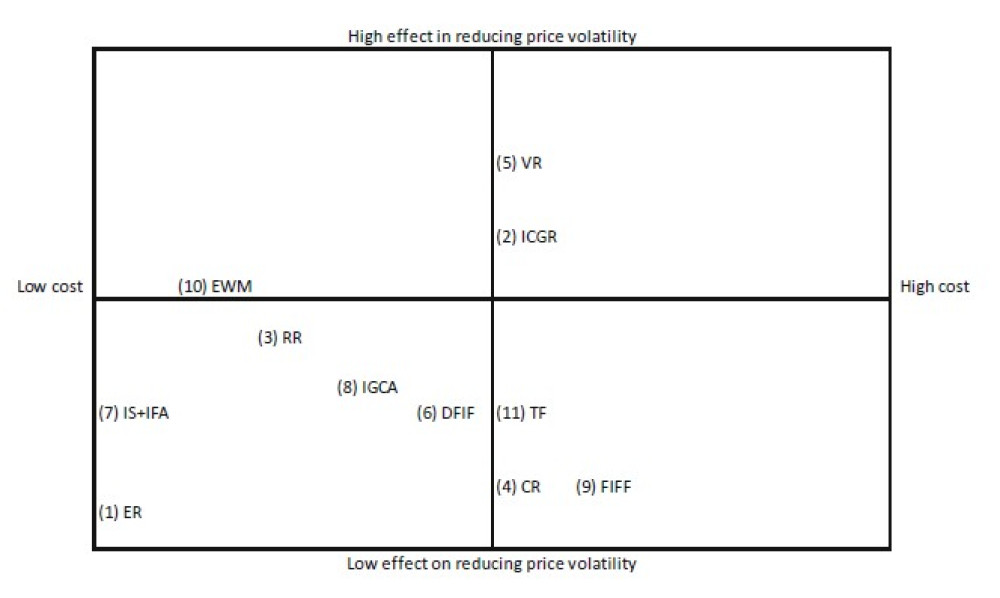
This chapter analyzes policy alternatives to reduce excessive food price volatility and international price spikes, drawing on the 2007-2008 and 2010 food price crises. It reviews demand- and supply-side drivers, including income and population growth, biofuels, higher oil and fertilizer prices, low agricultural research investment, droughts, climate change, dollar depreciation, excess liquidity, protectionist measures, and possible speculation in futures markets. It also examines policy proposals such as information systems and early warning mechanisms, international food information arrangements, trade facilitation, national, regional and internationally coordinated physical reserves, virtual reserves backed by financial funds, risk management instruments, futures market regulation, and international coordination. The chapter concludes that food price spikes and excessive volatility can severely affect food security, poverty and political stability, and that global institutional responses, better information, applied research and coordinated mechanisms are needed to prevent market failures in international agrifood markets.
Institutions:
Authors:
- Maximo Torero
Resultados:
Thematic Areas:
Instruments:
Languages:
- English
Beneficiaries:
- Consumers
- Agricultural producers
- Public institutions
Countries:
- World (aggregate)
Join to conversation
If you want to join and participate, press "I want to collaborate"; if you dont yet have an account, press "Register".