+506 2216 0222
opsaa@iica.int


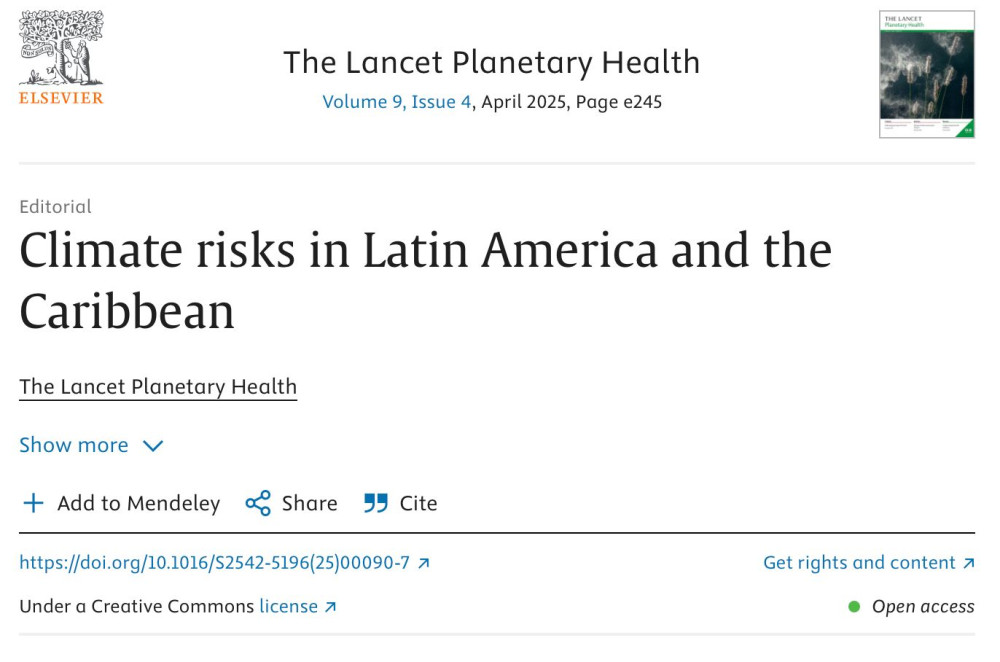
Description
The World Meteorological Organization’s latest report confirms that 2024 was an exceptionally critical year for Latin America and the Caribbean, one of the world’s most climate-vulnerable regions. The region experienced record-breaking temperatures, extreme droughts in countries such as Mexico, Panama, and northern Colombia, and the most severe drought ever recorded in the Amazon and Pantanal. Rapid glacier retreat—including the disappearance of Venezuela’s last glacier—is threatening water supplies for millions.
Heatwaves and drought also fueled unprecedented wildfires: Chile faced its worst natural disaster since 2010, Bolivia lost more than 15 million hectares of land, and Belize and other countries saw highly destructive fire seasons. Heavy rainfall and flooding also struck the region, including catastrophic floods in southeastern Brazil, while the Caribbean endured an unusually active storm season with climate-change-intensified hurricanes.
These climate impacts unfold amid deep inequality, poverty, and political instability, heightening risks such as forced migration, vector-borne disease outbreaks, and vulnerabilities in large urban centers.
Although there are positive developments—such as a regional energy matrix that is 69% renewable and innovative urban policies—major challenges remain in disaster preparedness, food security, and building resilient agricultural systems. The report stresses the urgent need for greater research, financing, and policy action to strengthen climate resilience, protect public health, and safeguard global food security while preserving the region’s unique ecosystems.
Resultados:
Sectors:
Thematic Areas:
Languages:
- English
Beneficiaries:
- Researchers
Countries:
- Latin America (aggregate)
Join to conversation
If you want to join and participate, press "I want to collaborate"; if you dont yet have an account, press "Register".