+506 2216 0222
opsaa@iica.int


Description
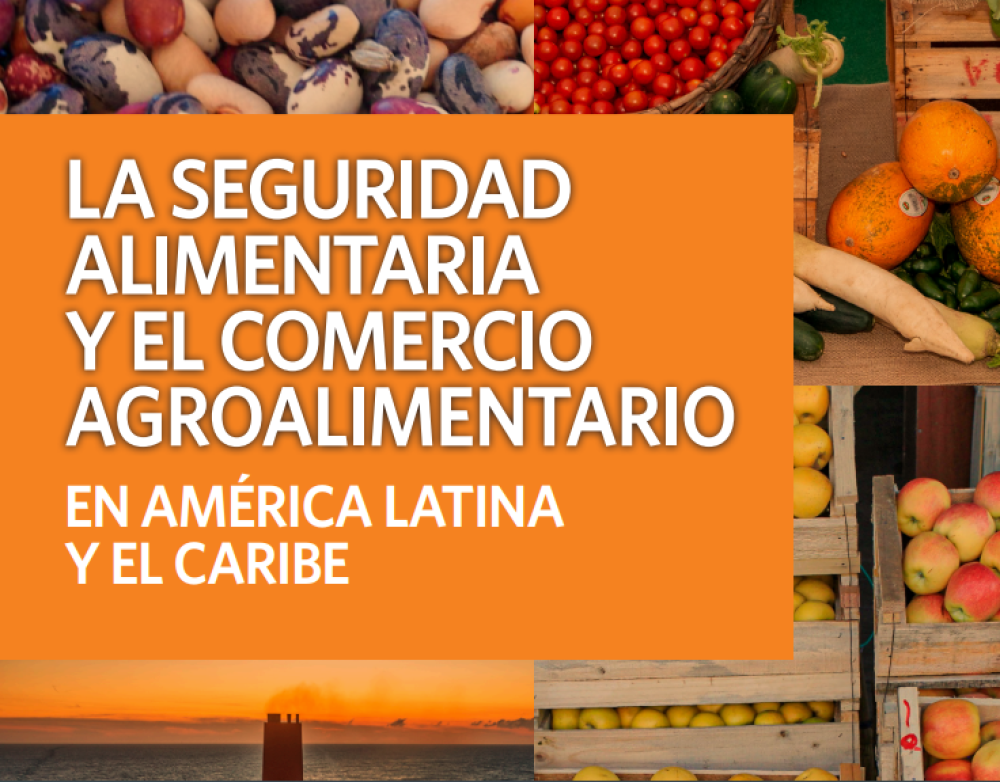
The Latin America and Caribbean (LAC) region is a key player in agri-food production and trade and is the world’s leading net exporting region of such products. Collectively, the region possesses the natural resources and capacities to sustainably produce enough food to meet its own needs and supply global markets.
However, LAC faces immediate challenges in terms of food security. Hunger and severe food insecurity have increased in the region at a faster pace than in the rest of the world, affecting 56.5 million and 93.5 million people, respectively, in 2021. The short-term outlook remains discouraging (FAO, IFAD, PAHO, WFP, and UNICEF, 2023). Therefore, it is imperative to move forward with policies aimed at achieving the goal of eradicating hunger in the region. International trade, particularly intraregional trade, represents a key opportunity to reach this goal.
Although LAC is a net exporter in aggregate terms, there are significant differences within the region. Many countries—especially those in the Caribbean and Central America—are net importers of key food groups necessary for a healthy diet, such as cereals, fats and oils, meat and fish, dairy and eggs, and fruits and vegetables. On the other hand, a group of countries, primarily located in South America, produce these same food groups at levels far above domestic consumption, making them net exporters.
The analysis of trade opportunities carried out in this report clearly shows that intraregional trade in agri-food products holds expansion potential in items such as corn, soybeans, wheat, poultry meat, soybean meal, and concentrated milk and cream. There are opportunities not only to expand trade by establishing new commercial relationships within the region, but also to significantly replace extra-regional imports with intraregional trade.
Sectors:
Languages:
Beneficiaries:
Countries:
Join to conversation
If you want to join and participate, press "I want to collaborate"; if you dont yet have an account, press "Register".