

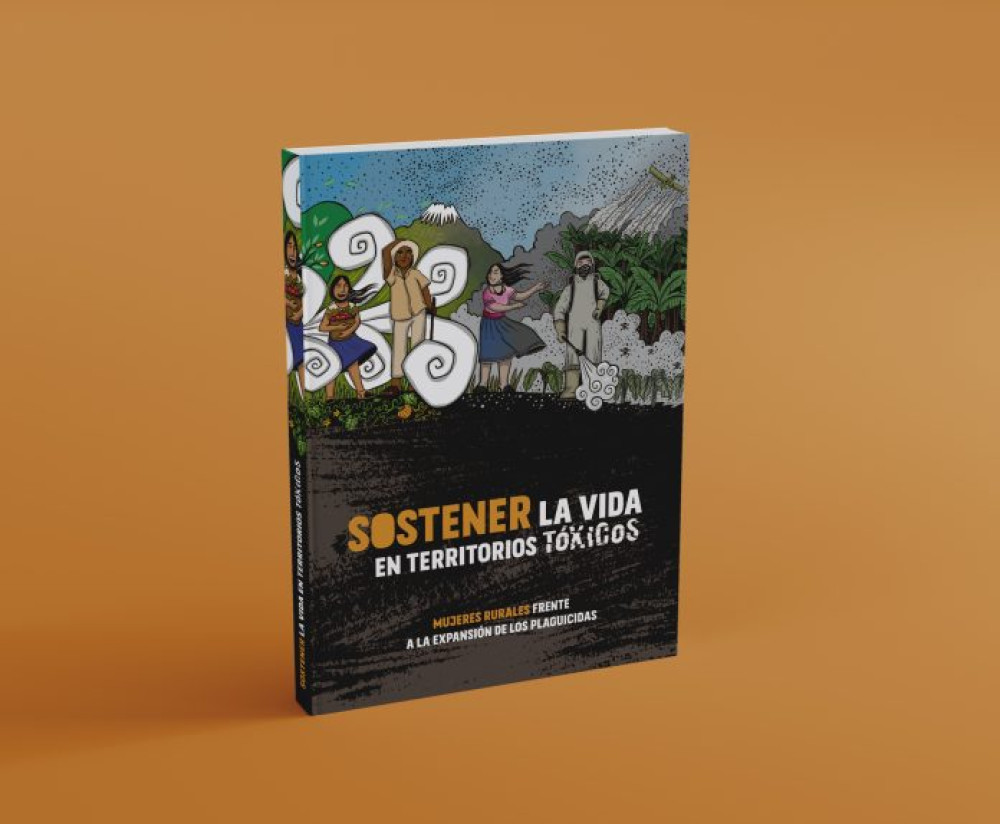
Description
The document highlights the multifaceted role of rural women in sustaining agricultural territories in Ecuador, emphasizing their crucial contributions to family care, resource management (water, soil, seeds), agricultural viability, community support, and the preservation of ancestral knowledge. It underscores that these essential contributions occur within increasingly challenging contexts marked by capitalist expansion, which negatively impacts both the environment and the well-being of rural families, particularly women. The exposure to toxic substances from industrial agriculture is identified as a significant threat, not only to their physical and emotional health but also by increasing their already substantial workloads and care responsibilities, thus exacerbating their precariousness and overexploitation in both productive and reproductive spheres. The reference to Marcos Orellana's report on Gender and Hazardous Substances (July 2024) serves to contextualize these issues within a human rights framework, specifically addressing the disproportionate impact of highly hazardous pesticides (HHPs) on rural women's bodies and territories, as evidenced by testimonies from diverse regions of Ecuador. The research aims to make visible the far-reaching consequences of these substances, affecting not only women's health but also their communities, their right to adequate food and nutrition, their right to health and work (especially in the context of care), and their vital connection with nature.
Institutions:
Resultados:
Thematic Areas:
Instruments:
Languages:
- Español
Beneficiaries:
- Family agriculture
- Rural communities
- Women
Countries:
- Ecuador
ÚNETE A LA CONVERSACIÓN:
Si quieres unirte y participar presiona "Quiero Colaborar"; si aún no tienes tu cuenta presiona "Registrarme".