+506 2216 0222
opsaa@iica.int


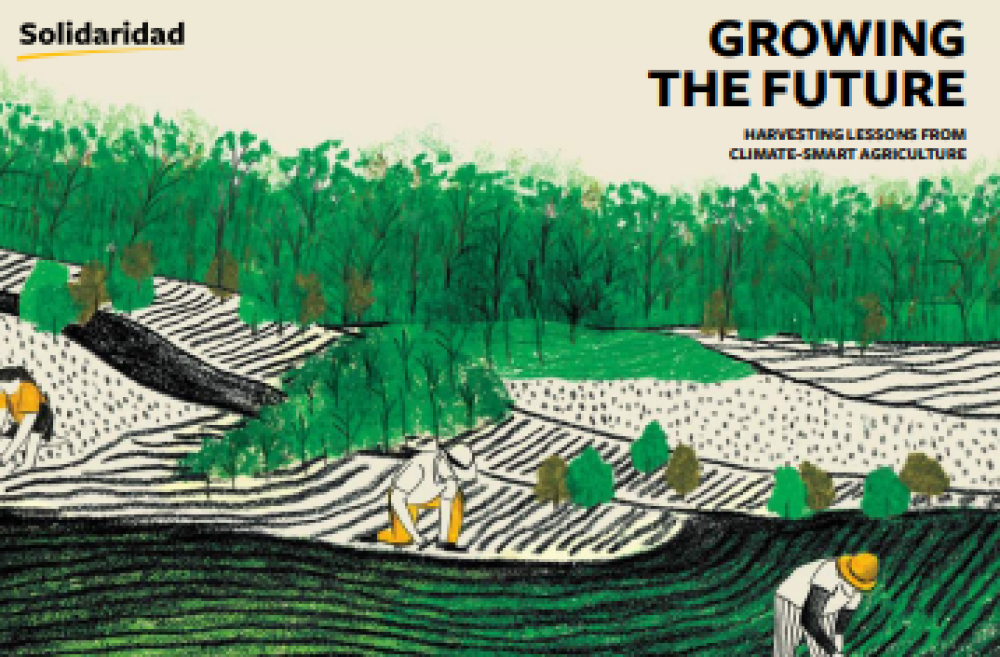
Description
The report analyses the implementation of climate-smart agricultural practices in South America, specifically in the coffee, cocoa, livestock and soy sectors in Colombia, Peru and Brazil. These practices seek to mitigate the environmental impact of agricultural production and improve the resilience of producers to climate change. In Colombia and Peru, efforts focused on promoting a deforestation-free coffee supply chain, while in Brazil, sustainable models for cocoa and livestock intensification, as well as policies for soy, were implemented. The adoption of these practices has generated environmental benefits, such as reduced deforestation and increased carbon sequestration, and economic benefits, with increases in farmers’ productivity and income. In addition, strategies for scaling up these practices are highlighted, including training, technical support and the use of digital tools to monitor progress. In terms of economic viability, the adoption of climate-smart practices has proven to be profitable, with increases in crop yields and product quality, allowing farmers to access specialized markets. At the environmental level, significant decreases in deforestation and carbon emissions were recorded in the project areas. However, challenges remain, especially in expanding these practices at the market level and in strengthening public-private partnerships to sustain these initiatives in the long term.
Institutions:
Authors:
- Alejandra Carvajal
- Marcelo Hercowitz
Resultados:
Sectors:
Thematic Areas:
Instruments:
- International, public-private partnerships
- Support for the adoption of agricultural technologies (transfering to producers)
- Carbon capture and storage
- Creation and Development of Standards, Certifications, Labeling, and Seals
- Incentives or subsidies for the adoption of good sustainable production practices
- PES: Payment for environmental or ecosystem services
Languages:
- English
Beneficiaries:
- Agricultural producers
Countries:
- Brazil
- Colombia
- Peru
Join to conversation
If you want to join and participate, press "I want to collaborate"; if you dont yet have an account, press "Register".