

Description
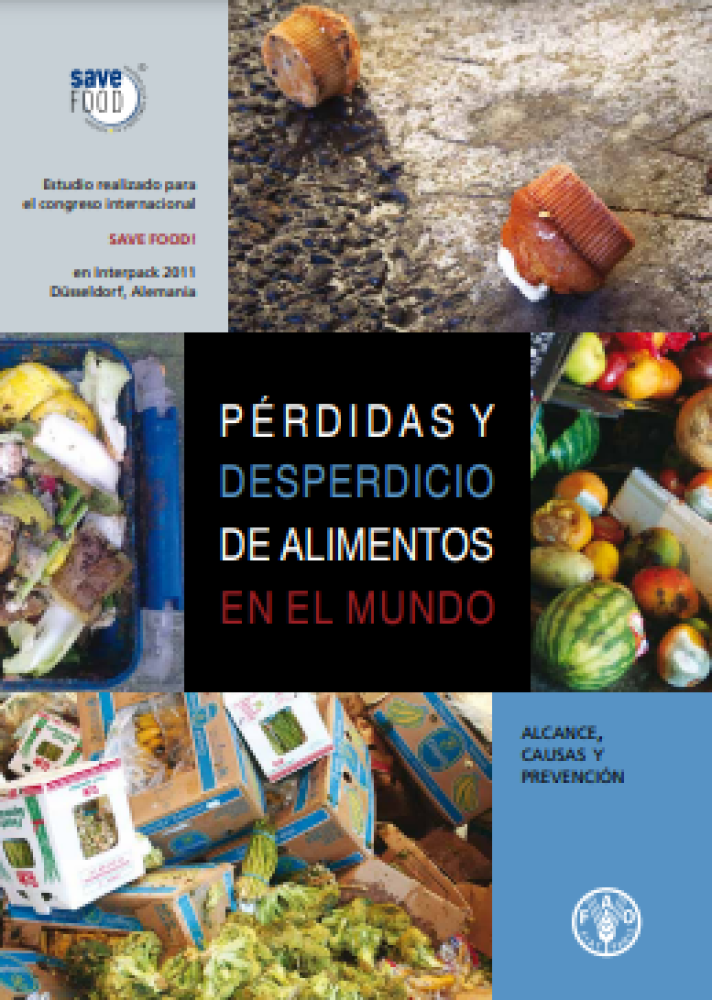
The report addresses the issue of food loss and waste globally, noting that around one-third of food produced for human consumption is lost or wasted, equivalent to 1.3 billion tonnes annually. This waste occurs throughout the entire food chain, from production to final consumption, affecting both developed and developing countries. In high-income countries, waste is more common at the consumption stage, while in low-income countries it occurs mainly at the initial stages of the supply chain, due to technological and economic constraints. The report highlights various causes of these losses, including inadequate infrastructure, lack of coordination between actors in the food chain, high aesthetic standards imposed by supermarkets and overproduction. In developing countries, losses are more related to a lack of storage and transport technology, while in developed countries, consumer behaviour and inefficient business practices play a key role. It also highlights that reducing these losses could improve food security, reduce greenhouse gas emissions and optimise the use of natural resources. Finally, the report proposes solutions to reduce losses and waste, such as improving infrastructure, encouraging the organisation of small farmers, investing in storage and transport technologies, and educating consumers about purchasing planning.
Institutions:
Authors:
- Alexandre Meybeck
- Christel Cederberg
- Jenny Gustavsson
- Robert van Otterdijk
- Ulf Sonesson
Resultados:
Instruments:
Languages:
- Español
Beneficiaries:
Countries:
- World (aggregate)
ÚNETE A LA CONVERSACIÓN:
Si quieres unirte y participar presiona "Quiero Colaborar"; si aún no tienes tu cuenta presiona "Registrarme".