

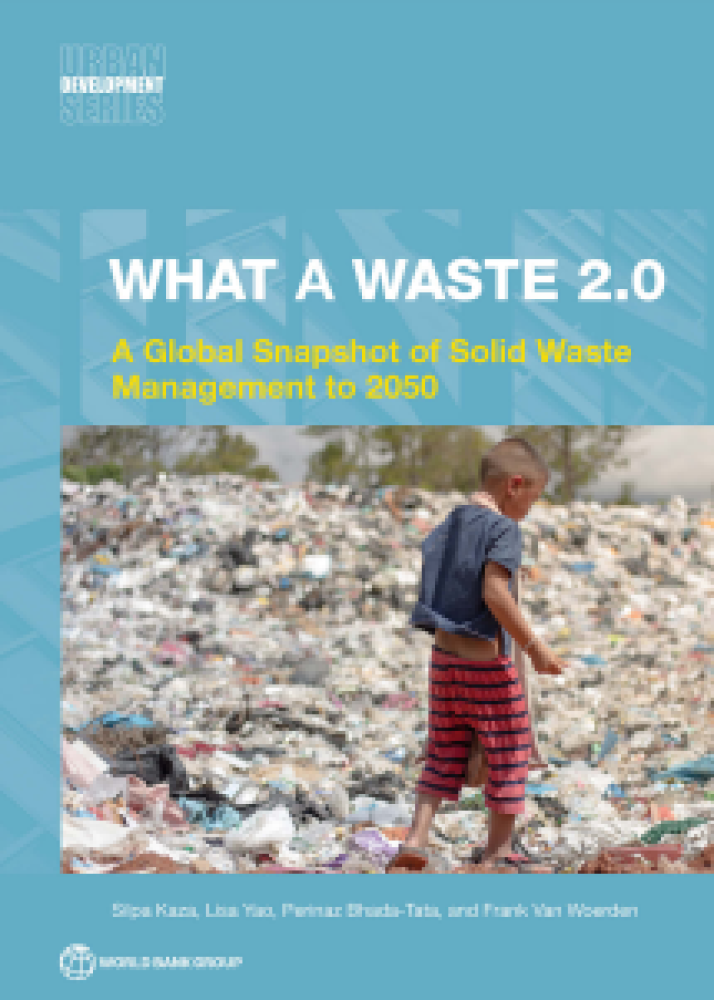
Description
The report highlights critical challenges related to solid waste management globally, noting that a significant percentage of global solid waste is food waste, particularly in low- and middle-income countries, where food and green waste can account for more than 50% of waste generated. In high-income countries, although the share of organic waste is lower due to the increased presence of packaging and non-organic products, food waste remains a key concern. The report underlines that food losses not only represent an environmental problem, but also an economic and social one, impacting both food security and efficient resource management. Globally, food waste is estimated to generate significant amounts of greenhouse gas emissions, with poorly managed organic waste contributing considerably to methane emissions in landfills. Furthermore, the report suggests that to reduce food losses and waste, it is critical for governments to implement policies such as waste separation at source, composting programs and improving organic waste management infrastructure. The need for strategies that involve both the public and private sectors is highlighted, as well as the promotion of citizen awareness and the adoption of technologies that allow for more efficient and sustainable management of food waste.
Institutions:
Authors:
- A.S. Harinath
- Daniel Levine
- Farouk Banna
- Frank Van Woerden
- Fuad Malkawi
- Gyongshim An
- Haruka Imoto
- John Morton
- Kremena Ionkova
- Lisa Yao
- Maria Sarraf
- Perinaz Bhada-Tata
- Renan Alberto Poveda
- Silpa Kaza
Resultados:
Thematic Areas:
Instruments:
Languages:
- English
Beneficiaries:
Countries:
- Argentina
- Burkina Faso
- Canada
- China
- Colombia
- South Korea
- United States
- India
- Israel
- Japan
- Mexico
- World (aggregate)
- Senegal
- Tunisia
ÚNETE A LA CONVERSACIÓN:
Si quieres unirte y participar presiona "Quiero Colaborar"; si aún no tienes tu cuenta presiona "Registrarme".