

Description
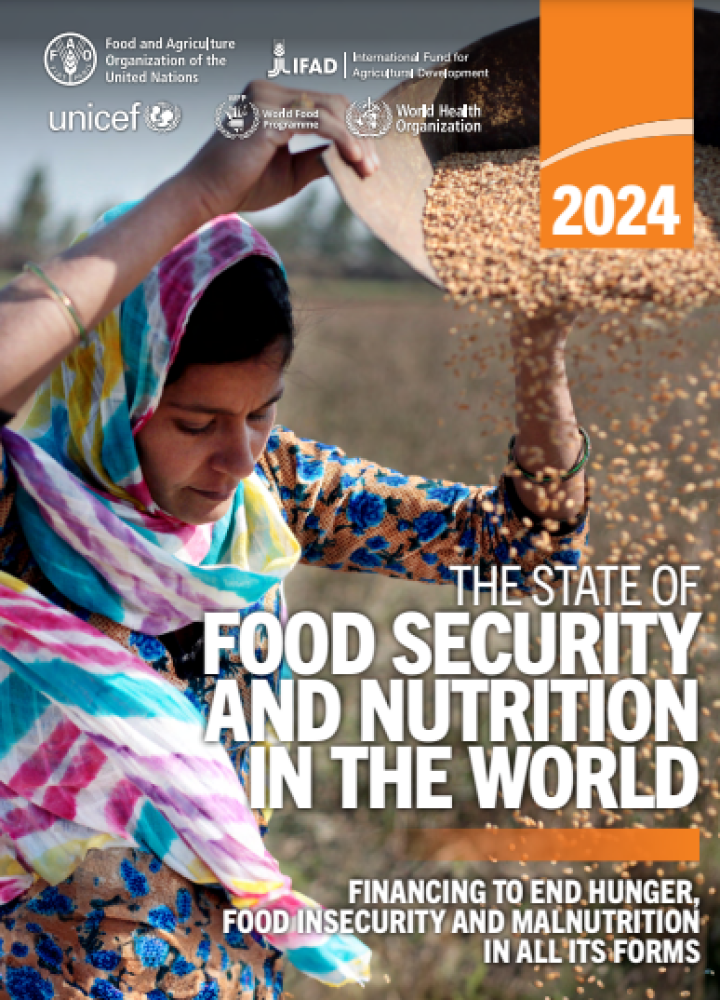
The report addresses the situation of food security and nutrition in the world, focusing on the financing needed to eradicate poverty, food insecurity and malnutrition in all its forms. Firstly, the report highlights that progress towards Sustainable Development Objective 2 (Hambre Cero) has been insufficient. Between 713 and 757 million people will face poverty in 2023, with the highest prevalence in Africa. Although there have been some advances in Asia and Latin America, the problem continues to be a serious problem in many regions of the world. Furthermore, moderate or severe food insecurity affects approximately 28.9% of the world's population, with 864 million people experiencing severe food insecurity. The report also analyzes the cost and availability of a healthy diet, highlighting that more than a third of the world's population cannot afford a healthy diet. Although the cost has increased throughout the world, the number of people who cannot afford a healthy diet has decreased between 2020 and 2022, even with an uneven recovery between regions. Regarding nutrition, there have been some advances in the prevalence of this delay in growth and exclusive maternal lactation among children under five years of age. However, the prevalence of anemia in women and obesity in adults has increased, and the world is not on track to achieve global nutrition targets for 2030. The report proposes a new definition of finance for food security and nutrition , which includes public and private financial resources, both national and foreign, aimed at ensuring stable and adequate access to nutritious and safe food for all. This definition encompasses both direct interventions in food security and nutrition and those aimed at addressing the main drivers of food insecurity, such as conflicts, variability and climate extremes, and economic slowdowns. It also identifies significant gaps in finance and proposes innovative approaches to increase financial flows for food security and nutrition. These include improving the use of existing finance, increasing the risk tolerance of donors and other international actors, and fostering collaboration between the public and private sectors.
Institutions:
Thematic Areas:
Instruments:
Languages:
- English
Beneficiaries:
Countries:
- Africa (aggregate)
- America, Caribbean (aggregate)
- Latin America (aggregate)
- Asia (aggregate)
- Benin
- World (aggregate)
- Uganda
ÚNETE A LA CONVERSACIÓN:
Si quieres unirte y participar presiona "Quiero Colaborar"; si aún no tienes tu cuenta presiona "Registrarme".