

Description
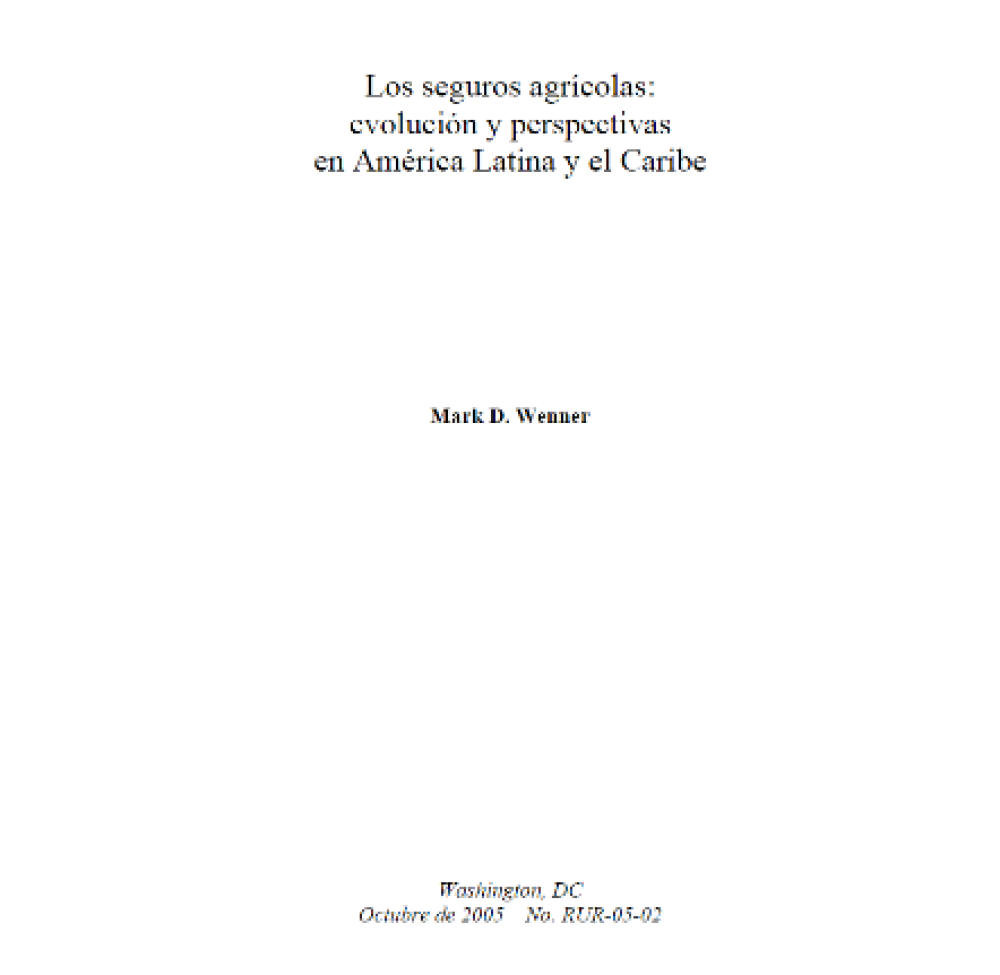
The study analyzes the importance of agricultural insurance as essential tools to manage the risks intrinsic to agricultural production, especially in Latin America and the Caribbean. It is highlighted that producers in developing countries are highly exposed to these risks and have limited access to formal agricultural insurance products. Historically, agricultural insurance was most common in Latin America during the 1960s and 1970s, but many programs faced financial difficulties and were scaled back or closed. Today, the volume of agricultural insurance premiums is minimal compared to the total insurance premiums. However, there is a resurgence of interest in agricultural insurance due to the need to improve competitiveness in increasingly integrated global markets. It identifies several challenges to the development of efficient and sustainable agricultural insurance markets, such as a lack of high-quality information, inadequate regulatory frameworks, poor supervision, lack of actuarial expertise, and a tendency for governments to undermine market development through the inappropriate use of subsidies and disaster relief funds.
Institutions:
Authors:
- Mark Wenner
Resultados:
Thematic Areas:
Instruments:
Languages:
- Español
Beneficiaries:
- Agricultural producers
Countries:
- Latin America and the Caribbean (aggregate)
ÚNETE A LA CONVERSACIÓN:
Si quieres unirte y participar presiona "Quiero Colaborar"; si aún no tienes tu cuenta presiona "Registrarme".