

Description
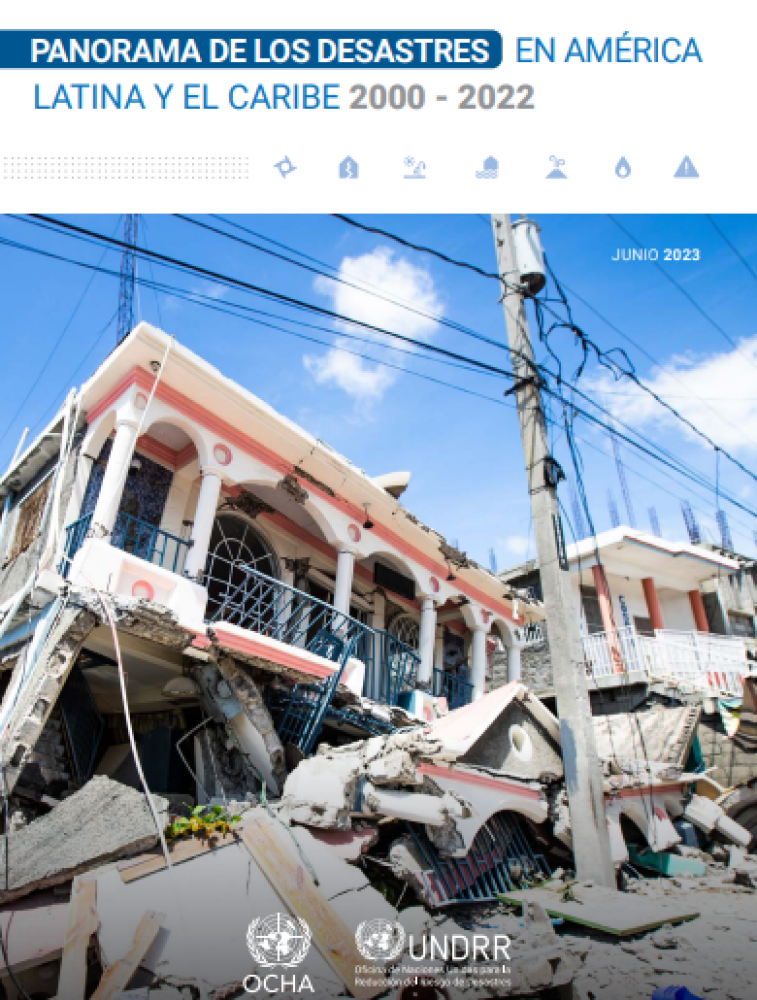
The report offers a detailed analysis of natural disasters in the region during this period, highlighting their impact, trends and future challenges. Over more than two decades, more than 190 million people have been affected by various disasters, including floods, storms, earthquakes, droughts, landslides, forest fires, extreme temperatures and volcanic events. It highlights the interconnectedness of global systems and how disasters can trigger cascading effects with wide-ranging social, economic and environmental repercussions. In a globalized context, disasters cannot be analyzed in isolation, but rather a systemic approach is necessary for multi-hazard risk management. Recurring threats, such as earthquakes, hurricanes and floods, have long-term impacts on communities, highlighting the importance of early warning systems and the need to incorporate risk reduction into public and private investment decisions. Key among them findings, it stands out that floods are the most common disaster in the region, mainly affecting Colombia, Brazil and Peru. Storms have increased in frequency, with the 2020 hurricane season being the most active on record. Earthquakes have also had a significant impact, with the 2010 Haiti earthquake being one of the deadliest in recent history. Droughts have affected more than 53 million people, being responsible for large losses in agricultural production. Furthermore, phenomena such as El Niño and La Niña continue to cause significant climate alterations, affecting food security and agricultural production throughout the region.
Institutions:
Resultados:
Thematic Areas:
Instruments:
Languages:
- Español
Beneficiaries:
Countries:
- Africa (aggregate)
- Latin America and the Caribbean (aggregate)
- Anguilla
- Antigua and Barbuda
- South Asia (aggregate)
- The Bahamas
- Barbados
- Belize
- Brazil
- Chile
- Colombia
- Costa Rica
- Cuba
- Dominica
- Ecuador
- El Salvador
- Guadeloupe
- Guatemala
- Guyana
- Haiti
- Honduras
- Turks and Caicos Islands
- British Virgin Islands
- United States Virgin Islands
- Martinique
- Mexico
- Nicaragua
- Panama
- Puerto Rico
- Dominican Republic
- Saint Kitts and Nevis
- Saint Martin
ÚNETE A LA CONVERSACIÓN:
Si quieres unirte y participar presiona "Quiero Colaborar"; si aún no tienes tu cuenta presiona "Registrarme".