+506 2216 0222
opsaa@iica.int


Description
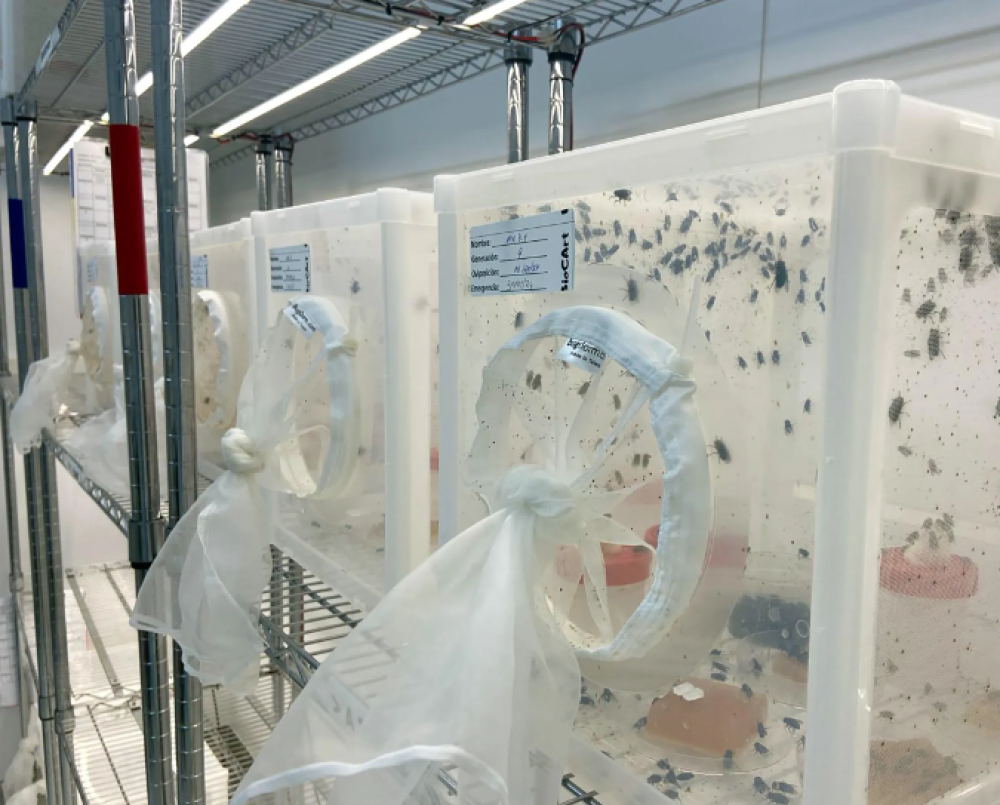
This screwworm eradication project in Uruguay involves the use of genetic modification techniques (CRISPR). This gene editing technique allows scientists to cut out specific genes in any organism's DNA and replace them with new sequences. It can be used to modify an animal's DNA in a way that affects the survival of the species, often making females sterile, when spread through the population through reproduction. In 2020, INIA researchers received permission from the Uruguayan government to test their techniques through the country's existing National Screwworm Control Program. Right now, they are experimenting in the lab with different components of the gene drive in gene-edited screwworm flies. The plan is to create a population of male screwworms with edited versions of genes that are essential for female fertility. When the modified males are released into the wild, they should mate with the females and pass that gene on to them.
Institutions:
Authors:
- Abdullahi Tsanni
Resultados:
Sectors:
Thematic Areas:
Instruments:
Languages:
- English
Beneficiaries:
- Agricultural producers
Countries:
- Uruguay
Join to conversation
If you want to join and participate, press "I want to collaborate"; if you dont yet have an account, press "Register".