+506 2216 0222
opsaa@iica.int


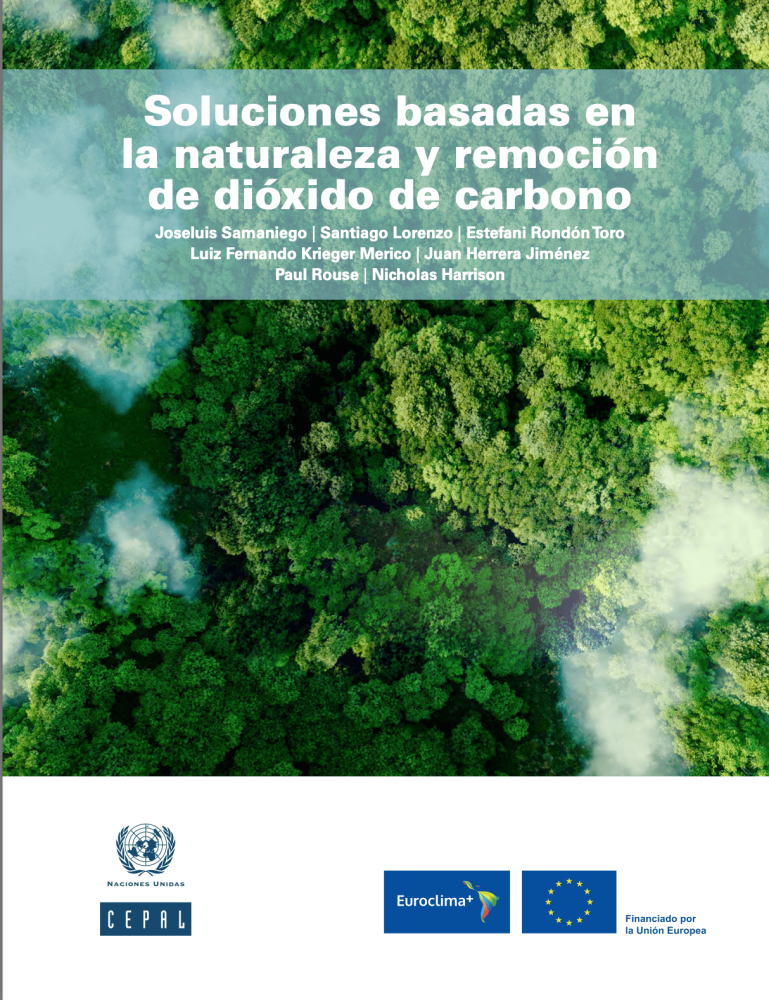
Description
The negative impacts of climate change require an urgent global response to mitigate emissions and strengthen the adaptive capacity of our social, economic and environmental structures. In Latin America and the Caribbean (LAC), within a context of high vulnerability and with the presence of three crises affecting the region simultaneously, a transformation of development models is needed, leading to a sustainable transition. In the process, national and local policies must be able to take full advantage of the potential of climate action, through the adoption of new technologies, innovation, productive reorganization and the identification of synergies. For this reason, nature-based solutions (NBS) and carbon dioxide removal (CDR) measures and technologies become particularly relevant as a complement to the achievement of climate goals. Under this scenario, this document examines the opportunities and challenges of large-scale implementation of these measures in the LAC region, emphasizing the need to accelerate the efforts already made, expand the research frontier and manage risks. The results allow us to recognize the existing limitations and the linkages between objectives, policies and tools, as well as the co-benefits for their implementation, which can contribute to a major push towards sustainability.
Institutions:
Authors:
- Estefani Rondón Toro
- Joseluis Samaniego
- Juan Herrera Jiménez
- Luiz Fernando Krieger Merico
- Nicholas Harrison
- Paul Rouse
- Santiago Lorenzo
Resultados:
Thematic Areas:
Instruments:
Languages:
- Español
Beneficiaries:
- Public institutions
Countries:
- Latin America and the Caribbean (aggregate)
Join to conversation
If you want to join and participate, press "I want to collaborate"; if you dont yet have an account, press "Register".