+506 2216 0222
opsaa@iica.int


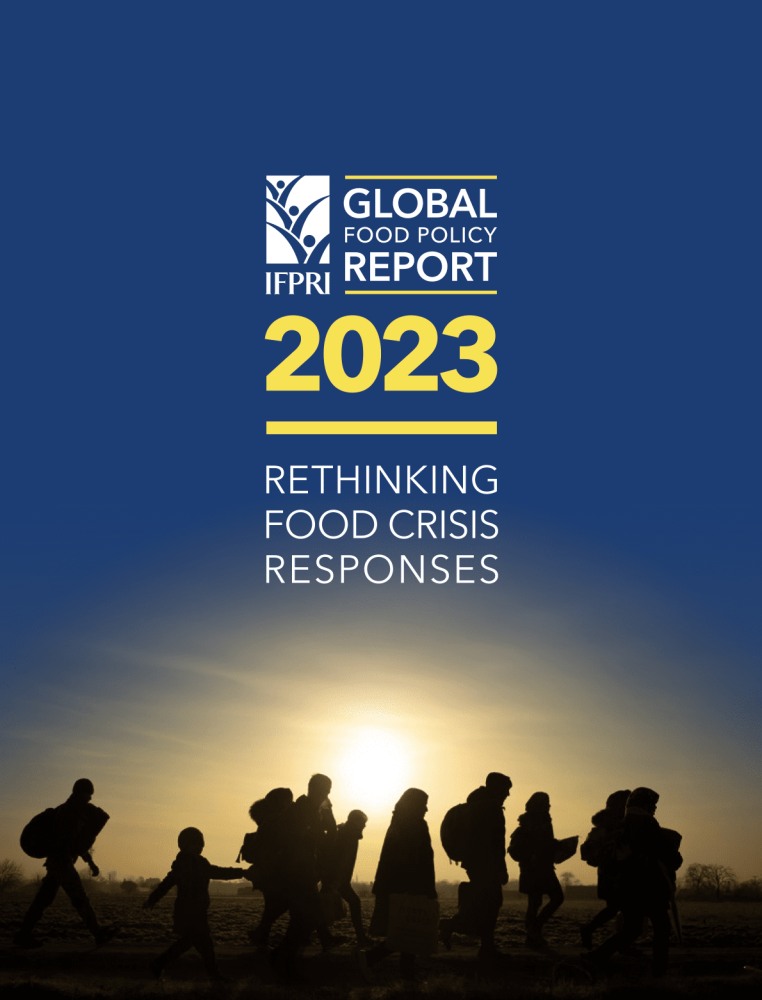
Description
In 2022, the world faced multiple crises. Disruptions to food systems from the protracted COVID-19 pandemic, major natural disasters, civil unrest and political instability, and the growing impacts of climate change continued, as the Russia-Ukraine war and inflation exacerbated a global food and fertilizer crisis. The growing number of crises, their increasing impact, and rising numbers of hungry and displaced people have galvanized calls to rethink responses to food crises, creating a real opportunity for change.
Now is an opportune moment to create a more holistic, long-term approach to food crisis response by building on existing innovations and exploring new solutions. Traditional crisis response has focused on humanitarian and emergency food aid, but a more systematic and sustainable approach is needed to address more frequent, compounding, and protracted crises. Many tools are already available to the international community and national governments to help them predict, monitor, and respond to crises, and also to govern for long-term resilience and equity. Identifying the most promising options and integrating them into a more permanent response to food crises can reduce the short- and long-term impacts of shocks to food systems.
To contribute to this critical effort, the 2023 Global Food Policy Report draws on a wealth of evidence built over the years by IFPRI and colleagues on policies and programming that reduces hunger and poverty and promotes sustainable development and women's empowerment, including during crises. The thematic chapters of the report look at critical tools and approaches for better crisis response. The regional section considers how crises have affected six major world regions in recent years, and how these developments signal new challenges and opportunities.
Institutions:
Resultados:
Sectors:
Thematic Areas:
Instruments:
Languages:
- English
Beneficiaries:
- Public institutions
- Youth
- Women
Countries:
- World (aggregate)
Join to conversation
If you want to join and participate, press "I want to collaborate"; if you dont yet have an account, press "Register".