

Description
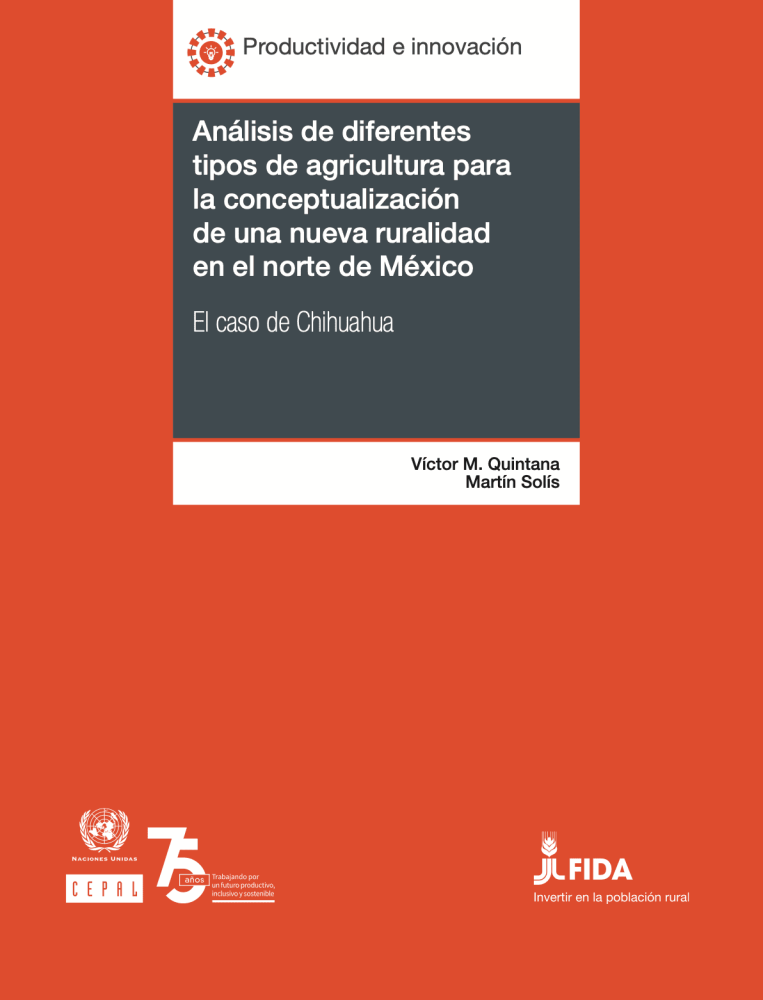
The state of Chihuahua in northern Mexico, on the border with the United States, is the largest in the republic and also the fifth largest agricultural economy in the country. The last 20 years have seen dizzying transformations in the rural environment, such as the expansion of the agricultural frontier, especially through the opening of land to irrigation with deep wells in the desert by Mennonite settlers, the growth of cash crops such as yellow corn, cotton, walnuts, apples and alfalfa, and the expansion of milk, beef and live cattle production. Simultaneously to this great productive dynamism, there have been other processes in the rural environment, such as migration to the United States, the increase in remittances sent from there, the penetration of organized crime, mining and tourism companies. In addition, the devastation of natural resources has accelerated climate change. All these processes occur in a context of conflict and mobilization of diverse social subjects. The objective of this work is to conceptualize and characterize the specific type of rurality in Chihuahua; to analyze quantitatively and qualitatively the productive, economic, technological and social gaps that have been generated between strata of producers, regions, types of agriculture, social groups and genders. At the same time, a proposal for public policies and courses of action is prepared to eliminate these gaps and build a development model with justice and sustainability.
Institutions:
Authors:
- Martin Solís
- Víctor M. Quintana
Sectors:
Thematic Areas:
Instruments:
Languages:
- Español
Beneficiaries:
- Indigenous communities
- Rural communities
- Public institutions
Countries:
- Mexico
ÚNETE A LA CONVERSACIÓN:
Si quieres unirte y participar presiona "Quiero Colaborar"; si aún no tienes tu cuenta presiona "Registrarme".