+506 2216 0222
opsaa@iica.int


DID YOU KNOW?
-
Backyard Poultry Ownership in Rural Houses - LAC
Up to 80% of rural households in Latin America and the Caribbean own backyard poultry. (Food and Agriculture Organization, 2026). -
Rural households livestock farming
60% of rural households obtain income from the livestock sector (FAO, 2024). -
Agriculture and the transition to zero emissions
The study examines the options available to Latin America and the Caribbean for reducing emissions from the agricultural sector and land use change, with the aim of achieving the goal of net-zero emissions. It analyzes mitigation scenarios, sustainab...
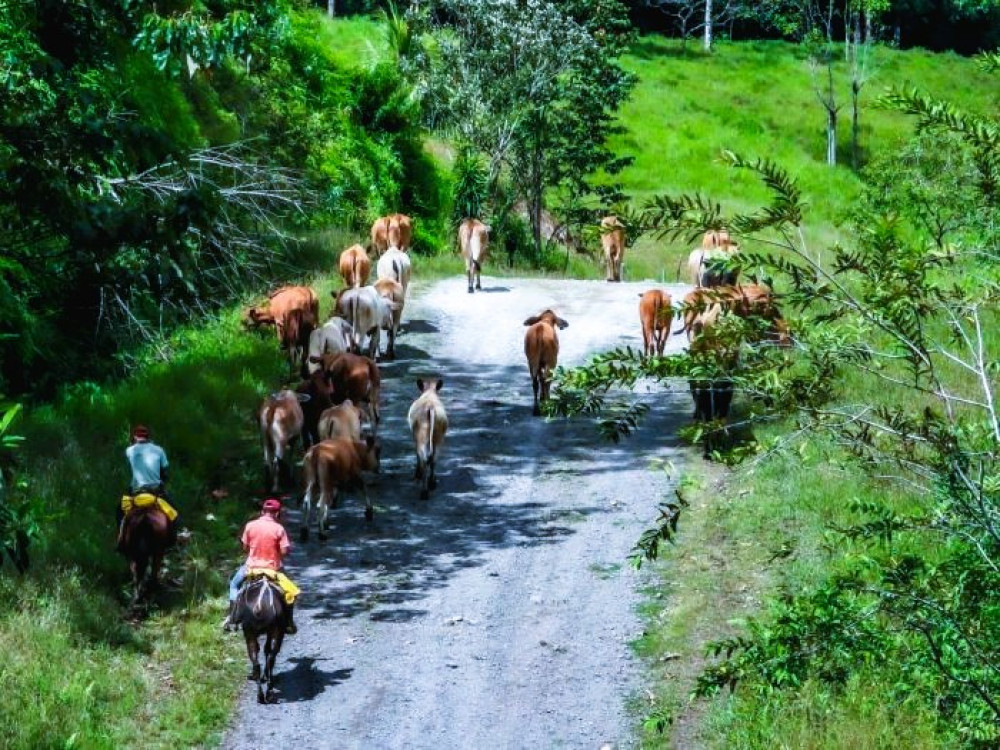
Sustainable Livestock
Livestock practices aimed at environmental preservation, animal welfare, and the economic viability of rural communities.
Resources
(81 records
)
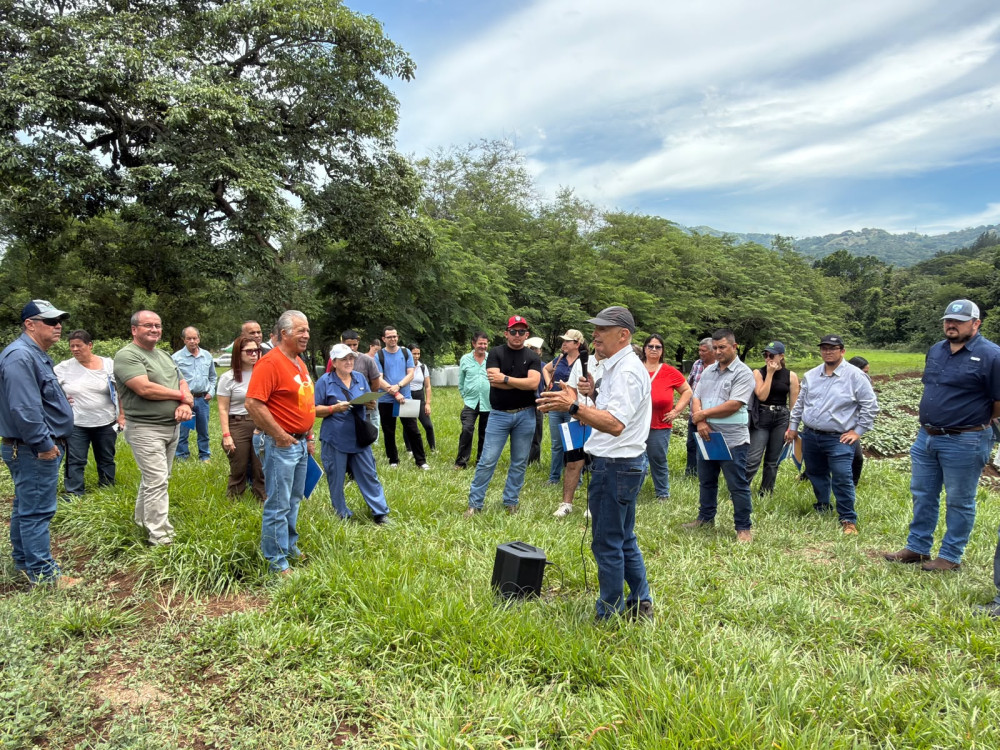
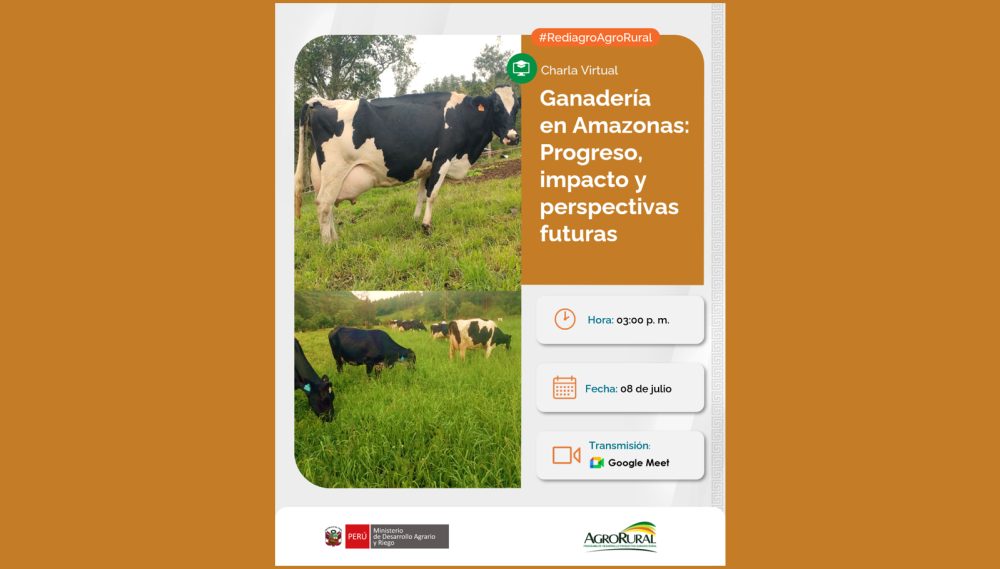
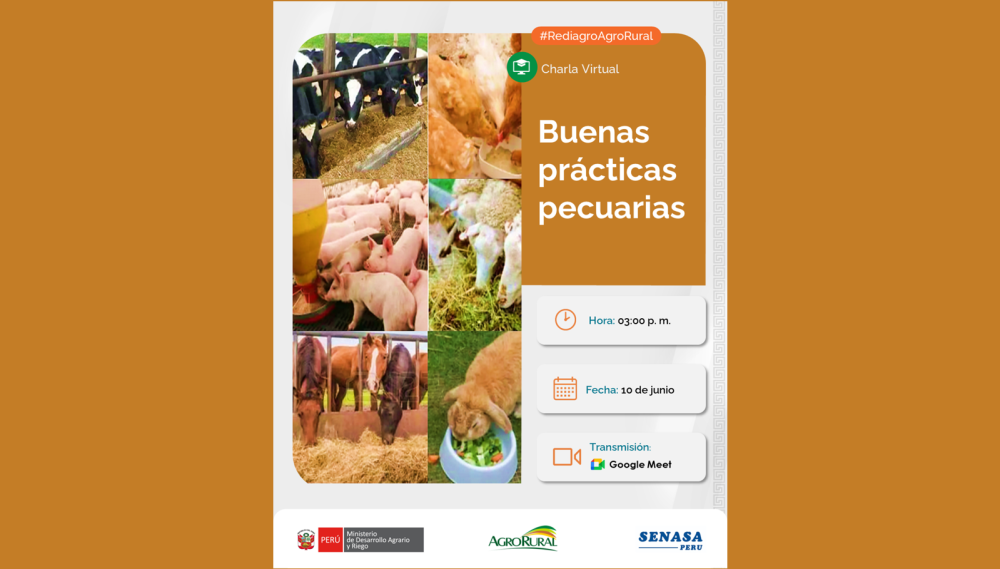
Events
(12 records
)

Evidences
(27 records
)
Backyard Poultry Ownership in Rural Houses - LAC
Up to 80% of rural households in Latin America and the Caribbean own backyard poultry. (Food and Agriculture Organization, 2026).
Rural households livestock farming
60% of rural households obtain income from the livestock sector (FAO, 2024).
Agriculture and the transition to zero emissions
The study examines the options available to Latin America and the Caribbean for reducing emissions from the agricultural sector and land use change, with the aim of achieving the goal of net-zero emissions. It analyzes mitigation scenarios, sustainable technologies, and public policies needed to reconcile agricultural production with environmental conservation, highlighting the role of low-carbon agriculture and sustainable management of rural ecosystems.
More recent in politics
Investments and Public Expenditure
(54 records
- USD 3,587,047,776.00
)
Climate-Smart Livestock in Ecuador: A Strategic Partnership between FAO and the Private Sector
Pilot project implemented in Cayambe, Pichincha Province, to strengthen the capacities of technicians and family livestock producers in Climate-Smart Livestock. The intervention adapted and validated participatory tools, identified good livestock practices, improved digital data collection and analysis, and estimated greenhouse gas emissions using tools such as ODK and GLEAM-R. It was developed by Ecuadorian public institutions, FAO, GEF, and the company El Ordeño.
Scaling-up regenerative practices for the recovery and improvement of soils, biodiversity and associated ecosystem services in the Chilean agricultural sector
GEF project led by Chile's Ministry of Agriculture through ODEPA and INDAP, with technical assistance from the Food and Agriculture Organization of the United Nations (FAO) and financing from the Global Environment Facility (GEF). The initiative seeks to accelerate the transition of Chile's agricultural sector toward regenerative, competitive, resilient and sustainable production models by strengthening public policies and governance, developing innovative financing mechanisms, generating evidence through productive pilots, and improving information and local capacities. Pilots cover olive production, vineyards, fruit production, cereals, vegetables, dairy farming, beef cattle and sheep production on at least 40 farms across nine regions between Coquimbo and Aysén, covering 26,509 hectares.
Sustainable Regenerative Livestock in the Arenal-Huetar Norte Conservation Area (ACAHN)
Project aimed at transforming livestock production in the Arenal-Huetar Norte Conservation Area of Costa Rica through sustainable and regenerative practices, stronger governance and capacity building for producers and institutions, access to incentives and finance, silvopastoral systems, improved grazing, soil and water management, restoration of riparian forests and wetlands, digital monitoring, traceability and deforestation-free production. The intervention seeks to strengthen rural livelihoods, reduce greenhouse gas emissions, conserve biodiversity and restore ecosystems, with attention to women, youth and the Maleku Indigenous people.
Policy frameworks
(152 records
)
Law No. 10942: Law on Compliance, Control and Penalization of Burning on Agricultural and Livestock Lands
Costa Rica's Law No. 10942 establishes a regulatory framework for compliance, control and penalization of burning on agricultural and livestock lands, with the objective of protecting public health and the environment through prevention, authorization, inspection, suspension and sanction measures. The Law requires written authorization from the Ministry of Agriculture and Livestock (MAG) before controlled burning may be carried out and authorizes MAG, the Ministry of Health, the Ministry of Environment and Energy (MINAE) and municipalities to inspect burning operations through field visits and verify compliance with permit conditions and requirements. Where an imminent risk to public health, public safety or the environment exists, authorities may request temporary or permanent suspension of the burning operation. The Law also amends Article 24 of Law No. 7779 on Soil Use, Management and Conservation, creates the Permanent Interinstitutional Committee for the Control and Supervision of Burning and allows the creation of local committees. It further amends Article 229 of the Penal Code to aggravate damage to agricultural or livestock land and adds Article 253 ter establishing the criminal offence of vandalistic burning and fires on agricultural fields and providing prison penalties.
Response Measures to Reduced Hay Availability for Livestock Farmers in Barbados
The Ministry of Agriculture, Food and Nutritional Security of Barbados is developing response measures to address reduced hay availability in the domestic market. Although the situation has not been declared a crisis, the Ministry is continuously monitoring conditions and has begun discussions with agricultural stakeholders, including dairy farmers and sheep producers, to identify practical and sustainable solutions. The response includes short-, medium- and long-term strategies, as well as immediate actions aimed at improving fodder production capacity and supporting the sustainable availability of livestock feed. The situation is associated, among other factors, with changing climatic conditions and ongoing dry weather patterns linked to the current El Niño event, which are affecting fodder production and pasture conditions.
Technical Cooperation for the Recovery and Competitiveness of Guatemala’s Dairy Subsector
'Technical cooperation agreement between Guatemala’s Ministry of Agriculture, Livestock and Food and the Guatemalan Chamber of Milk Producers to primarily support small and medium-sized milk producers and contribute to the recovery and competitiveness of the dairy subsector. The agreement provides for business organization and training, competitive and sustainable production systems, animal health protection, milk safety, decentralized supply of molasses and other strategic inputs, dairy value-chain assessments, epidemiological and animal health surveillance, and institutional coordination. It also provides for the promotion of international technical and financial cooperation to support implementation.
Good practices
(9 records
)
Rural Development and Agricultural Productivity Fund
The Rural Development and Agricultural Productivity Fund was created to promote the comprehensive and equitable development of rural areas, ensuring food security and the growth of the agricultural sector. It establishes that resources will be allocated to productive projects—preferably those of community interest—that enhance the efficiency, sustainability, and profitability of production units.
Strengthening dairy cattle production in the Municipality of Tiahuanacu - Bolivia
Increase milk production in the Municipality of Tiahuanacu by 20%, from 33,019.80 to 39,623.76 liters of milk per year, to ensure supply to the domestic market.
Project to strengthen the capacity of alpaca producers through pasture conservation and animal health in Cojata District (Huancané, Puno, Peru) and the Indigenous community of Ucha Ucha (Bolivia)
The objective is to improve the economic viability of alpaca producers' projects through pasture conservation and enhanced animal health.
Indicators
Partners