+506 2216 0222
opsaa@iica.int


DID YOU KNOW?
-
Agro-inputs reach EUR 5.6bn
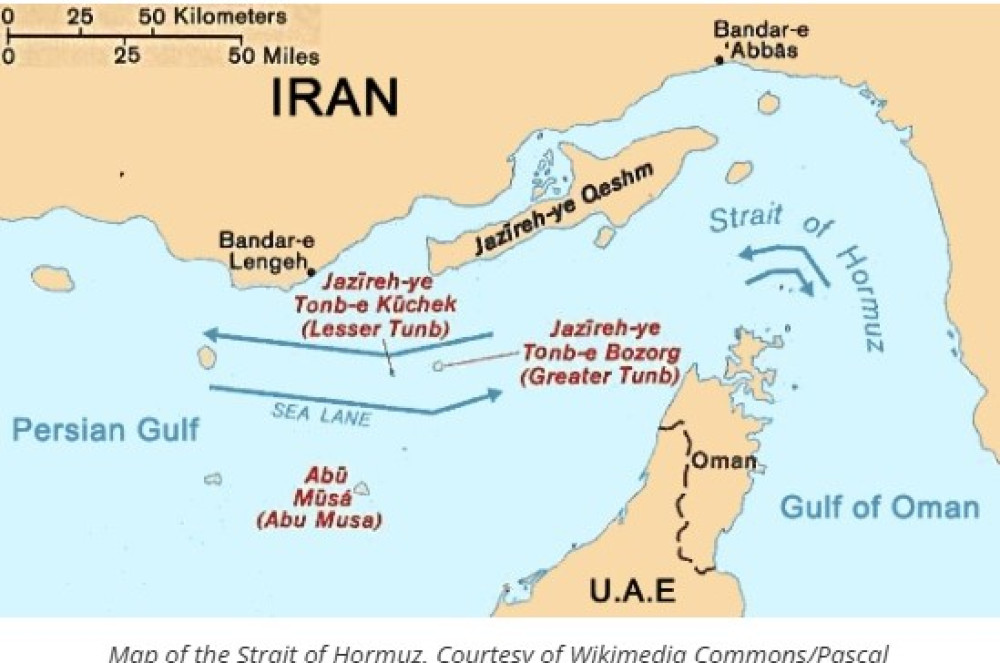
EUR 5.6 billion is the approximate size of Spain’s agricultural inputs market at farm-gate prices, especially exposed to volatility from the closure of Hormuz. -
Hormuz moves 45% of sulfur
45% of sulfur, an essential raw material for phosphate fertilizers, passes through the Strait of Hormuz. -
Hormuz concentrates global urea
One third of global urea exports pass through the Strait of Hormuz, a key corridor for global fertilizer trade.
Fertilizers (Value Chain)
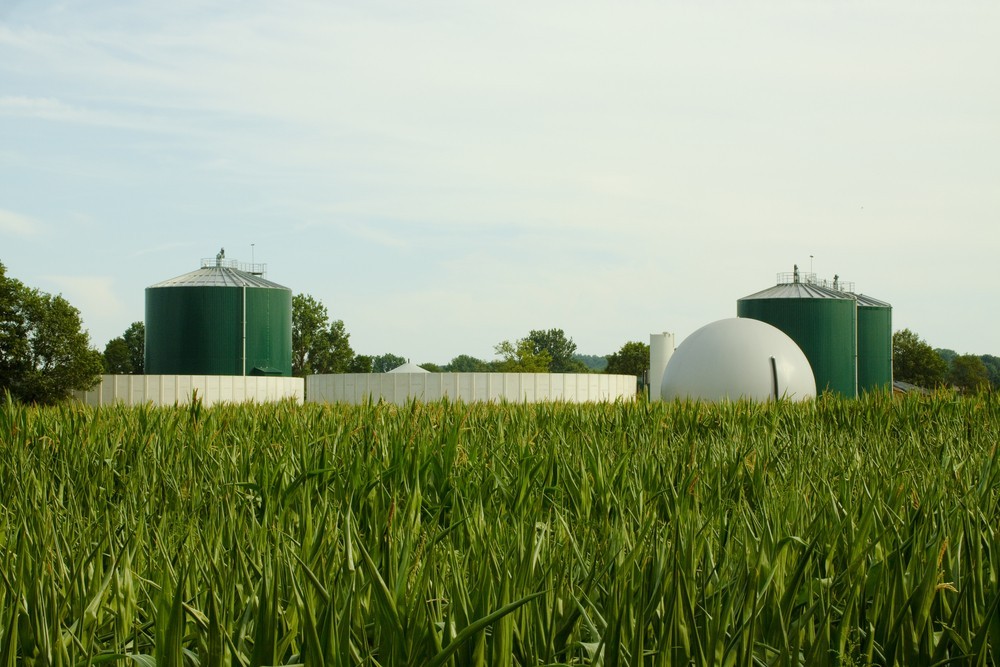
A comprehensive overview from the FERTILIZERS sector to policies by components, policy areas, countries, funding sources, beneficiaries, instruments, economic sectors, and best practices.
Resources
(165 records
)

Events
(20 records
)

Evidences
(77 records
)
Agro-inputs reach EUR 5.6bn
EUR 5.6 billion is the approximate size of Spain’s agricultural inputs market at farm-gate prices, especially exposed to volatility from the closure of Hormuz.
Hormuz moves 45% of sulfur
45% of sulfur, an essential raw material for phosphate fertilizers, passes through the Strait of Hormuz.
Hormuz concentrates global urea
One third of global urea exports pass through the Strait of Hormuz, a key corridor for global fertilizer trade.
More recent in politics
Investments and Public Expenditure
(39 records
- USD 5,625,133,597.00
)
Production of Biofertilizers and Insect-Based Protein Pellets for Sustainable Agrifood Systems in Arid Areas of Northern Chile
Innovation project aimed at developing and validating a pilot process for the bioconversion of organic waste through controlled insect farming to produce biofertilizers and protein pellets intended to improve agricultural productivity and animal nutrition. The initiative is implemented in the Tarapacá Region and seeks to promote sustainable agrifood systems in arid areas through waste valorization, the use of insect biomass, improved soil fertility, and the production of locally sourced agricultural and livestock inputs.
Nitrogen optimization: Strategies to address the climate crisis in food production
Regional technical cooperation project aimed at optimizing nitrogen fertilizer use and reducing nitrous oxide emissions in agricultural systems in Chile, Argentina, Peru, Panama, and the Dominican Republic. The project seeks to generate specific emission factors, evaluate nitrogen sources, rates, and application timing, develop mitigation strategies, maintain yields, strengthen national greenhouse gas inventories, and generate best-practice recommendations for efficient nitrogen use.
Policy frameworks
(134 records
)
U.S. Suspends Duties on Moroccan Phosphate Fertilizer
The White House announced that the President of the United States declared an emergency and authorized the temporary suspension of certain anti-dumping and countervailing duties on phosphate fertilizer imported from Morocco, for eight months or until the emergency is terminated, to help ensure fertilizer supplies for domestic agricultural demand.
Extension of the temporary fertilizer subsidy in the Dominican Republic
The Dominican Government extended the fertilizer subsidy program through an additional investment of more than RD$1,090 million, bringing total resources allocated to this initiative to RD$2,151 million. The new allocation will remain in force until August 31, 2026 and aims to ensure the availability of fertilizers at affordable prices, stabilize agricultural production costs, avoid pressure on food prices and protect food security. The measure was formalized through agreements between the Ministry of Agriculture and companies that import raw materials for fertilizers and soil amendments, both large and small, in order to strengthen the supply and distribution of these inputs across the national territory.
Fertilizer Production Expansion Program
The Fertilizer Production Expansion Program (FPEP), administered by USDA Rural Development through the Rural Business-Cooperative Service, provides grants to help eligible applicants increase or expand the manufacturing and processing of fertilizer and nutrient alternatives in the United States and its territories. Funds can support new facilities, land or facility acquisition, pre-development costs, working capital, facility modernization or expansion, processing and manufacturing equipment, climate-smart equipment, legal compliance, and workforce recruitment, training, apprenticeships, and retention. The program aims to increase competition, support Made in America production, foster innovation and sustainability, and provide support and opportunities for agricultural commodity producers.
Good practices
(3 records
)
Nitrogen Optimization: Strategies for Addressing the Climate Crisis in Food Production
This project establishes a technical network across five countries (including the Dominican Republic and Panama) to optimize the use of nitrogen fertilizers through the 4R strategy. Its goal is to increase food productivity and reduce $N_{2}O$ emissions by developing common protocols and local emission factors (Tier 2). The results will strengthen national GHG inventories and promote public policies for sustainability and climate resilience in the region.
Project to strengthen the capacity of alpaca producers through pasture conservation and animal health in Cojata District (Huancané, Puno, Peru) and the Indigenous community of Ucha Ucha (Bolivia)
The objective is to improve the economic viability of alpaca producers' projects through pasture conservation and enhanced animal health.
High Yield Seed Plan
This plan of the Ministry of Agriculture, Livestock, Aquaculture and Fisheries (currently MAG) aims to improve the productivity of strategic agricultural production chains and reduce unit production costs, ensuring the availability, access and technified use of high-yield seeds, in search of solutions to the limited access and use of certified seed, together with the application of inadequate agricultural practices that affect the production systems of small and medium agricultural products. The plan is expected to benefit around 132,000 small farmers within the strategic chains identified by the institution, including cotton, rice, beans, corn, potatoes, onions, among other vegetables.
Dialogue rooms
(1 records
)
Indicators
Partners