


Blog IICA

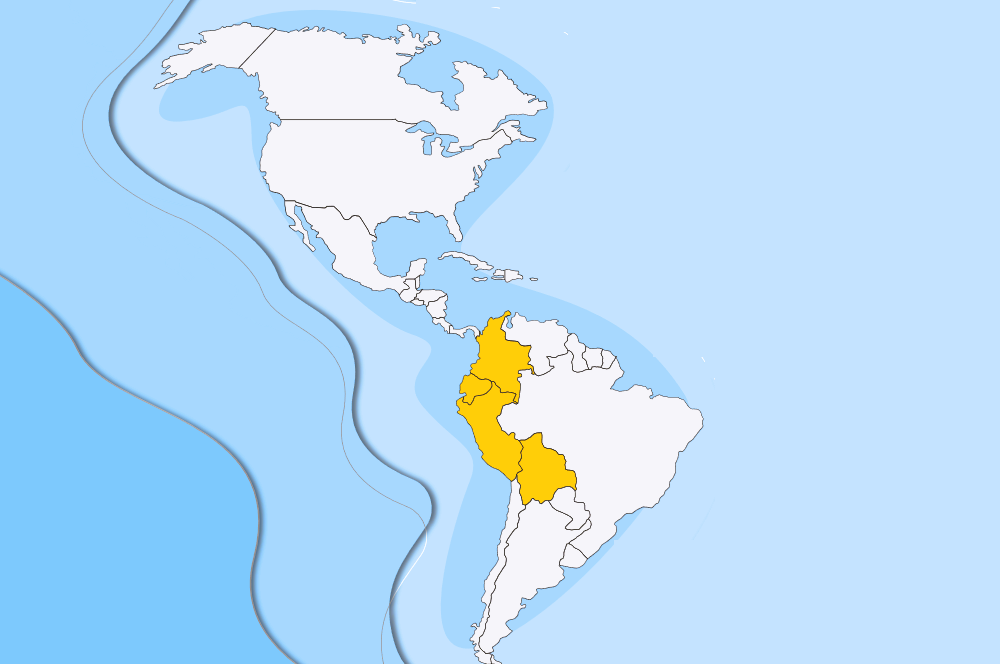
Andean Community Region

Mechanism for Intersectoral Coordination and Strengthening of Regional Integration

PAÍSES MIEMBROS

The last
Indicator

Andean Community: Total and Agrifood Exports

In 2024, agrifood exports grew by 16.7%, nearly three times the growth rate of total exports.

Evento

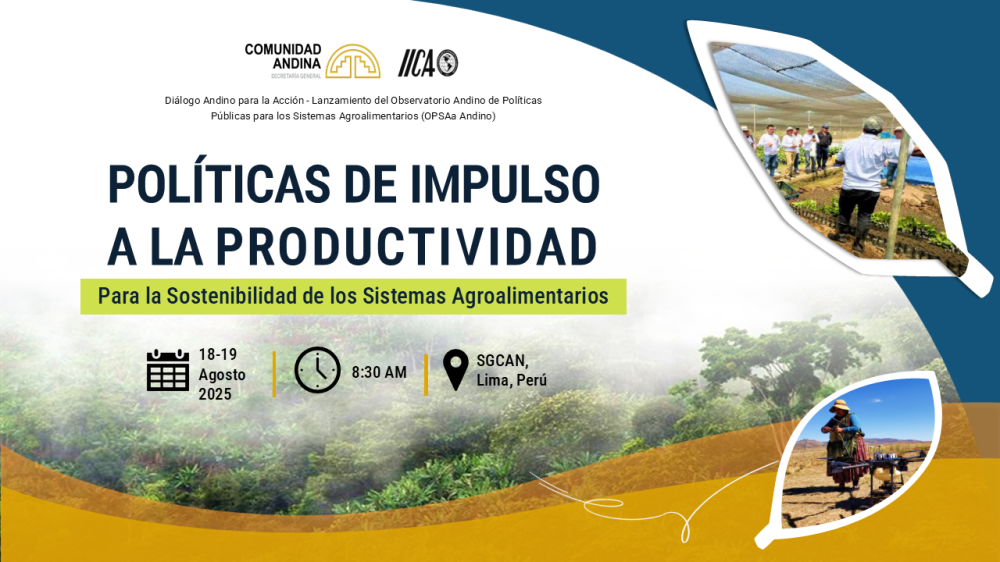
Andean Dialogue for Action

Andean technical-political dialogue to advance a regional agenda for sustainable productivity, identifying challenges, o...

Recurso

Sustainable Agriculture and Deforestation-Free Products

Summary of the subregional meeting held in Lima, Peru, bringing together CAN Member Country delegates, experts, and inte...

Marco

Andean Agricultural Agenda 2021–2025

The Andean Agricultural Agenda 2021–2025 promotes rural and agricultural development through trade, family farming, and...
More recent in resources
Indicators


Resources
(30 records )
.


Events
(13 records )
.


Evidences
(15 records )


More recent in politics
Investments and Public Expenditure
(32 records - USD 7,660,073.00 )
Technical assistance for the management and coordination of the phytosanitary emergency caused by tropical Fusarium race 4 in the member countries of the Andean Community
Completed
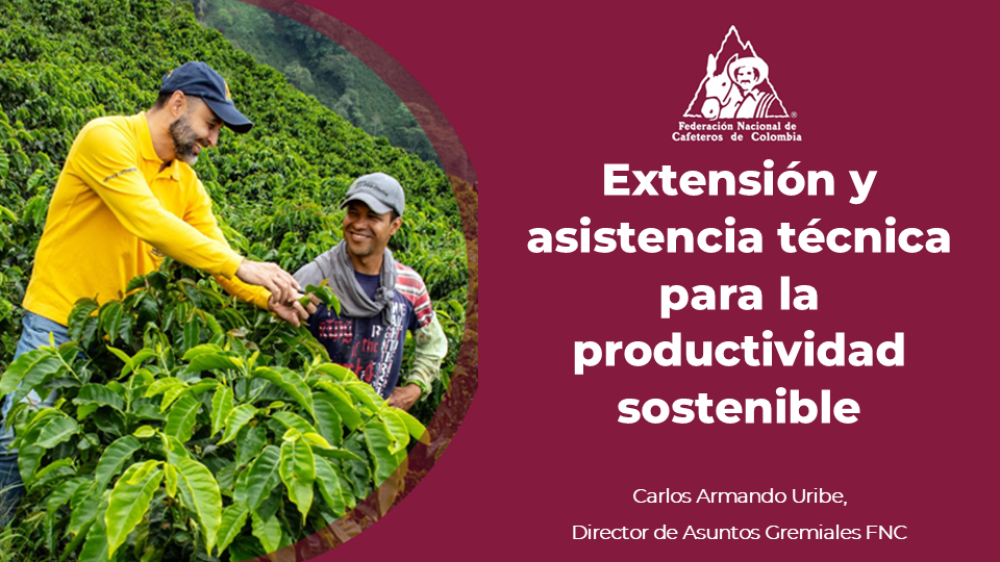
Implementation of sustainable agroforestry systems in coffee farms for agricultural frontier closure
This initiative seeks to strengthen sustainable agroforestry productive systems in coffee farms that contribute to the closure of the agricultural frontier for deforestation reduction and income generation for small rural producers. The project includes the establishment of approximately 2,000 hectares of agroforestry systems through planting 500,000 forest trees, strengthening 600 hectares of existing coffee plantations, and strengthening the productive process for environmental impact reduction. A gender-focused agroforestry extension program will be implemented including technical training, commercial plans and voluntary zero deforestation agreements. The initiative will benefit small coffee producers in the departments of Cesar, Magdalena, Santander and Norte de Santander, prioritizing vulnerable populations, indigenous, Afro-Colombian and peasant communities with a minimum of 25% women participation.
Implementation- Ongoing
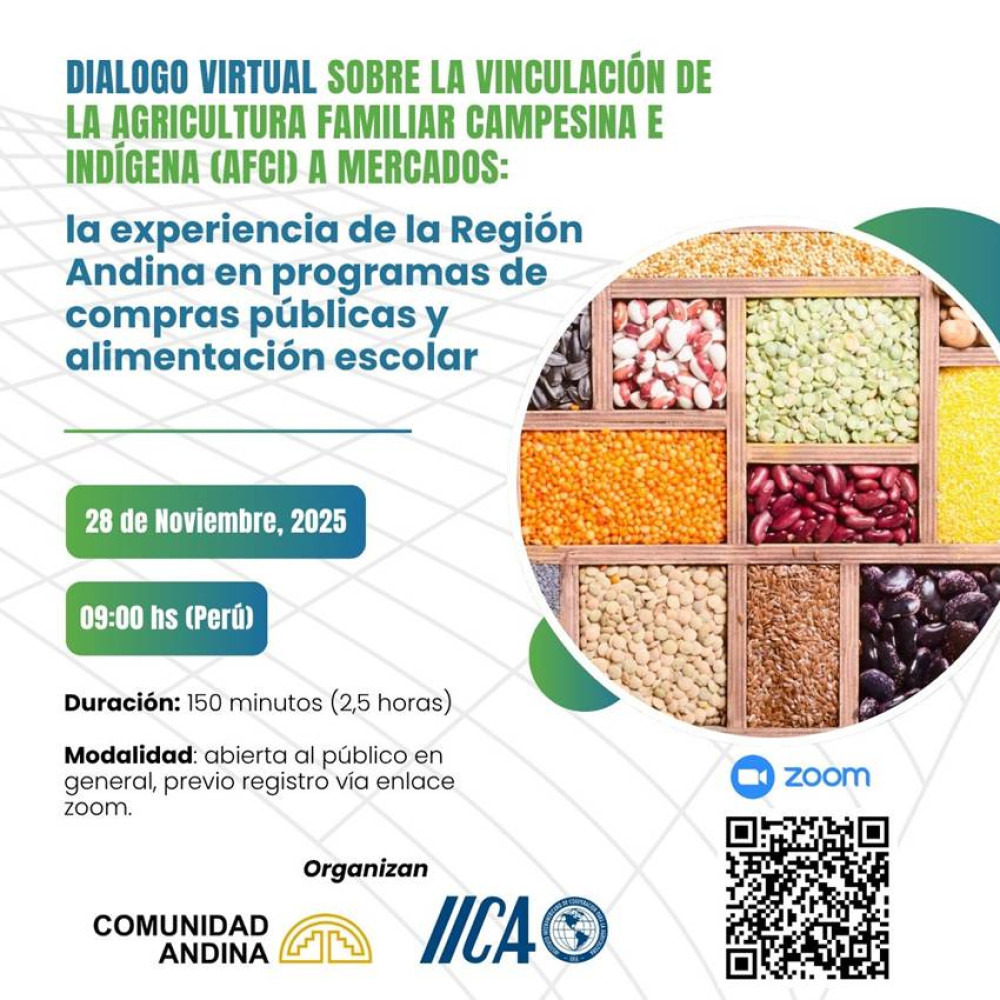
Public Policies and Private Strategies for Linking Family Farming to Competitive Markets in the Andean Region
The General Secretariat of the Andean Community (SGCAN) expressed to the Inter-American Institute for Cooperation on Agriculture (IICA) its interest in establishing a baseline on public policies and private strategies that promote value addition and the linkage of family farming (AF) to competitive markets in the Andean countries.
Implementation- Ongoing


Policy frameworks
(7 records )
Public-Private Partnership Zero Deforestation TFA 2020 Colombia
The TFA2020 Colombia Alliance is a voluntary public-private partnership that seeks to promote the transformation of agricultural supply chains toward zero deforestation in Colombia. This alliance is composed of members from the private sector, civil society organizations, multilateral entities, donor countries, and the Colombian government, working together to implement joint projects and initiatives. The alliance focuses on the palm oil, soy, beef, dairy, timber, and pulp and paper production chains to eliminate deforestation from their production processes. Its main objective is to contribute to reducing deforestation in Colombia through the exchange of knowledge, best practices, and the promotion of sustainable public-private investments. The initiative seeks to fulfill Colombia's international commitments, including the New York Declaration on Forests and the goals of the Paris Agreement on climate change.
Guide on Andean Intracommunity Trade Defense Instruments
The Guide on Andean Intracommunity Trade Defense Instruments is a reference document that describes the trade defense mechanisms available in the Andean Community to protect national industries against imports that may cause economic damage. The guide covers four main mechanisms: safeguards for balance of payments, for compliance with the Liberation Program, for specific products and for monetary devaluation, in addition to the Special Regime for agricultural products and instruments against dumping and subsidies. These mechanisms allow member countries to apply temporary corrective measures such as tariff increases, import quotas or antidumping duties when intracommunity imports cause economic disruptions or are traded at distorted prices. The General Secretariat of the Andean Community administers these procedures through technical investigations that verify the existence of conditions established in Andean regulations before authorizing the application of temporary protection measures.
Constitutive Treaty of the Andean Parliament and Additional Protocol on Direct and Universal Elections
The Constitutive Treaty of the Andean Parliament establishes a common deliberative body of the Andean Integration System that represents the peoples of the Andean Community, constituted by representatives elected by universal and direct suffrage. The Parliament aims to promote and guide the Andean integration process, sustain the full rule of freedom, social justice and democracy, and ensure respect for human rights. Its functions include participating in the promotion of subregional integration, examining compliance with integration process objectives, formulating budget recommendations and suggesting actions for modifications of the Andean Integration System. The Additional Protocol establishes procedures for direct and universal elections of five representatives per member country, guaranteeing their functional autonomy and parliamentary immunity.


Good practices
(11 records )
Implementation of sustainable agroforestry systems in coffee farms for agricultural frontier closure
This initiative seeks to strengthen sustainable agroforestry productive systems in coffee farms that contribute to the closure of the agricultural frontier for deforestation reduction and income generation for small rural producers. The project includes the establishment of approximately 2,000 hectares of agroforestry systems through planting 500,000 forest trees, strengthening 600 hectares of existing coffee plantations, and strengthening the productive process for environmental impact reduction. A gender-focused agroforestry extension program will be implemented including technical training, commercial plans and voluntary zero deforestation agreements. The initiative will benefit small coffee producers in the departments of Cesar, Magdalena, Santander and Norte de Santander, prioritizing vulnerable populations, indigenous, Afro-Colombian and peasant communities with a minimum of 25% women participation.
Implementation- Ongoing
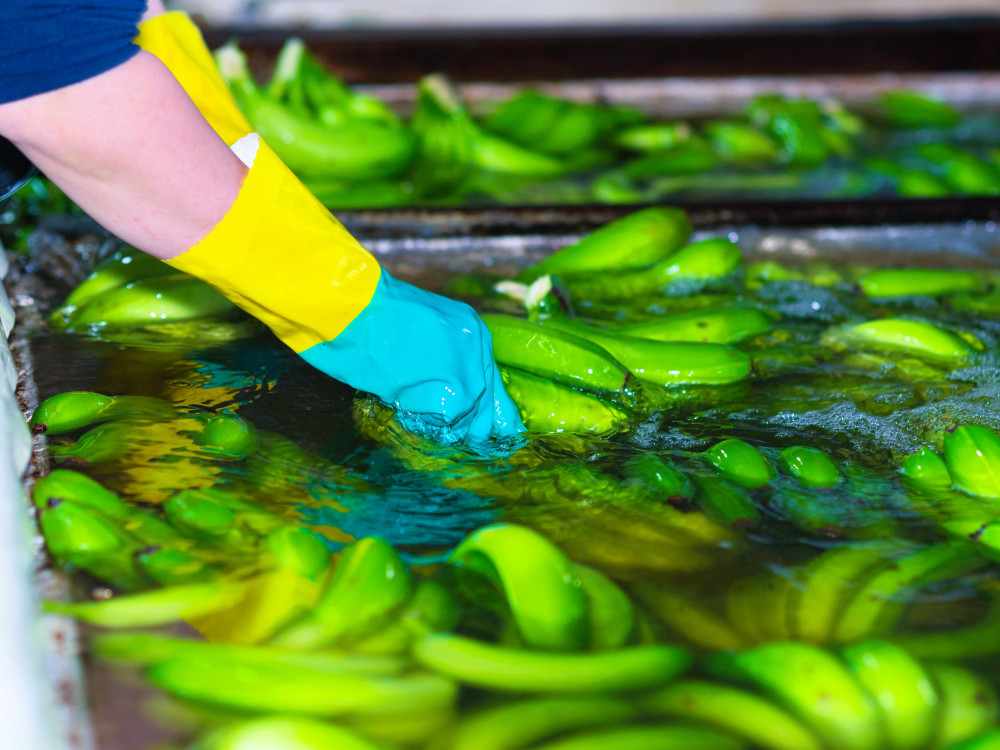
Promotion of agro-industrial exports of prioritized products
As part of efforts to strengthen Andean agri-food trade, the promotion of exports is being encouraged through a comprehensive characterization of international markets, aimed at identifying trends, specific demands, and strategic opportunities for agricultural products from the Member Countries. This work includes the analysis of market access conditions, as well as the identification of logistical and regulatory barriers that hinder the competitiveness of value chains, particularly those linked to family farming. In addition, the export potential of prioritized products is being assessed, with a view to improving their actual prospects for entry into external markets through technical assistance, trade promotion, and regulatory alignment. These efforts are integrated into a regional strategy to promote international trade, focused on leveraging subregional synergies, generating added value, and positioning Andean agri-food products as sustainable, traceable, and high-quality.
Completed
Andean Regional Dialogue on Sustainable Agriculture and Deforestation-Free Products
Facilitate a regional dialogue process for learning and exchanging experiences on how to address the challenges posed by the EUDR among the Member Countries of the Andean Community (CAN), as well as to identify synergies among CAN countries in response to the EUDR based on shared experiences, and to propose concrete cooperation actions at the community level resulting from the dialogue.
Completed


Dialogue rooms
(2 records )
.

View more Andean Community Region

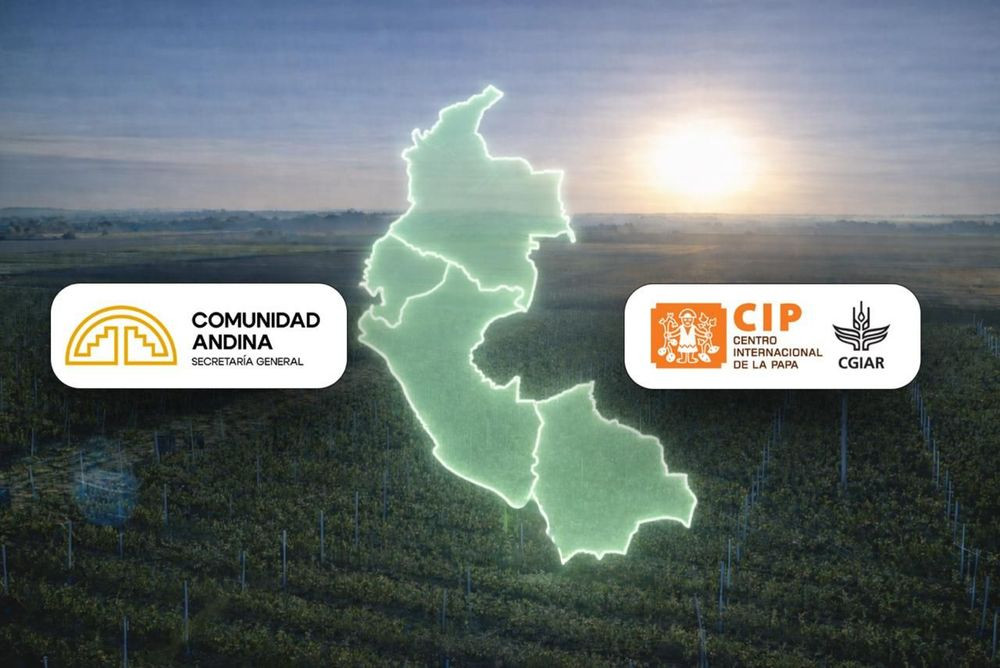
The Observatory of Public Policies for Agrifood Systems in the Andean Region (OPSAa-Andino): A mechanism for intersectoral coordination and the strengthening of regional integration, is a joint initiative of the Inter-American Institute for Cooperation on Agriculture (IICA) and the Secretary-General of the Andean Community (SGCAN). Through a digital platform, a Situational Room, and dialogue spaces, it promotes the design, monitoring, and analysis of evidence-based public policies, contributing to the well-being and sustainable development of the OPSAa-Andino region.
Visit us at the OPSAa-Andino Room at the Secretary-General of the Andean Community (SGCAN), Av. Paseo de la República 3895, San Isidro, Lima, Peru. Tel. (511) 7106400

The digital platform of the Observatory of Public Policies for Agrifood Systems (OPSAa) is at the service of the countries of the Americas as a meeting point for the exchange of knowledge and to promote the new generation of public policies that transform the agrifood systems of the hemisphere.

Contact us

Contact

Sede Central. 600 m. noreste del Cruce Ipís-Coronado

Vásquez de Coronado, San Isidro 11101 - Costa Rica. San José, Costa Rica

(+506) 2216 0222
Fax (+506) 2216 0233

opsaa@iica.int