+506 2216 0222
opsaa@iica.int


DID YOU KNOW?
-
Two mechanisms protect rural investment
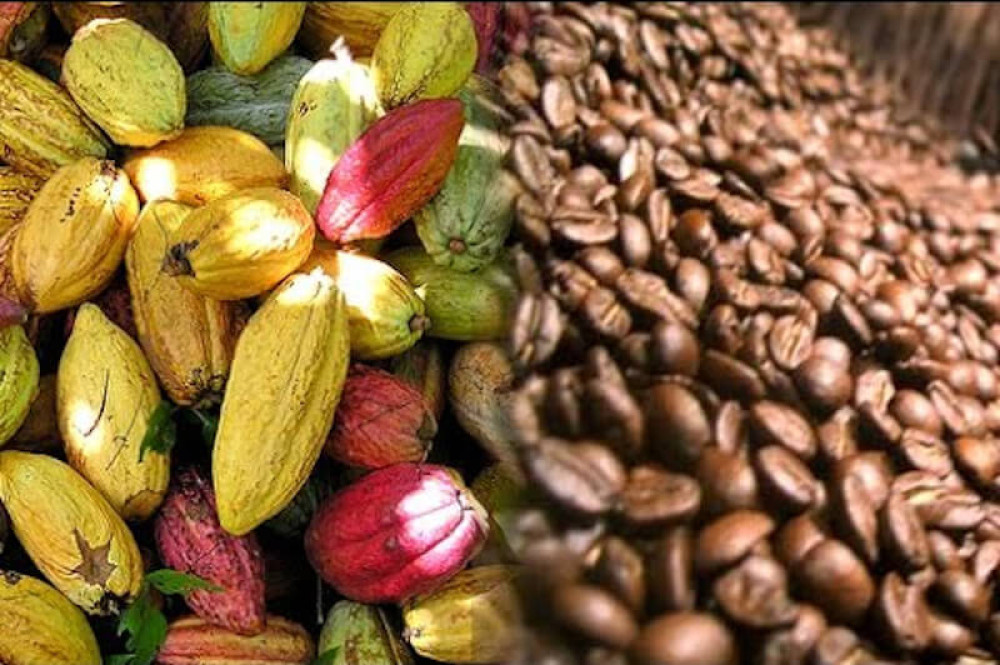
2 economic protection mechanisms, market diversification and agricultural insurance, are included in the plan to prevent price declines and facilitate the recovery of affected producers' investments. -
Four sectors have preventive measures
4 productive sectors, agriculture, livestock, aquaculture and fisheries, have differentiated preventive measures under Ecuador's Contingency Plan for the possible occurrence of El Niño. -
Crops lost due to rain (Ecuador, 2026)
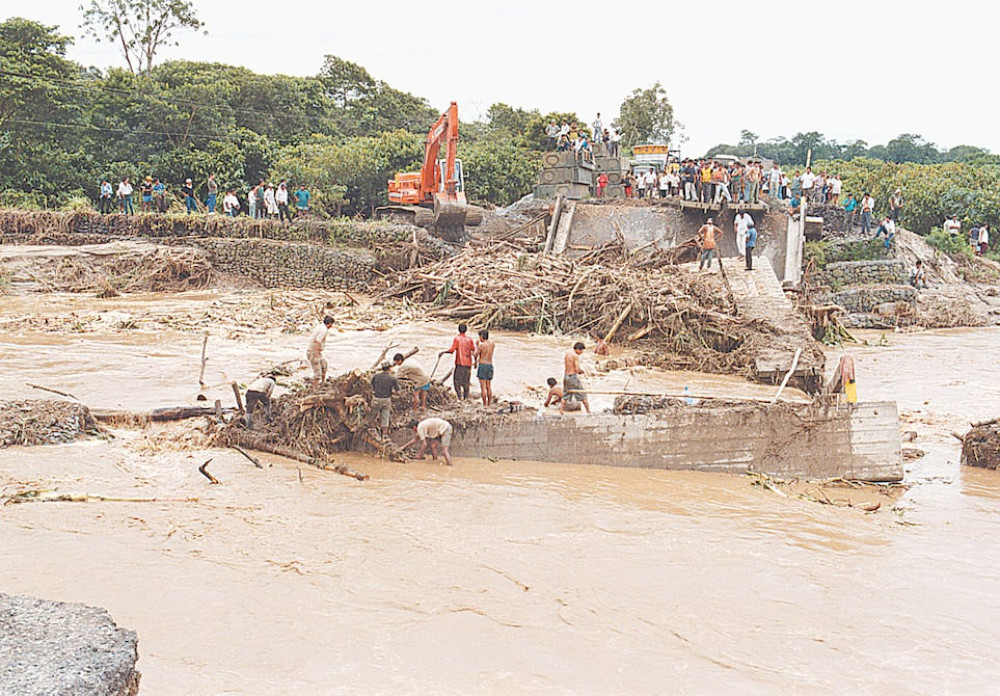
27,835.41 hectares of crops were lost due to rains in Ecuador between January and mid-July 2026. (National Secretariat of Risk Management of Ecuador, 2026).

Ecuador
0
Resources
(83 records
)
Events
(38 records
)
Evidences
(93 records
)
Two mechanisms protect rural investment
2 economic protection mechanisms, market diversification and agricultural insurance, are included in the plan to prevent price declines and facilitate the recovery of affected producers' investments.
Four sectors have preventive measures
4 productive sectors, agriculture, livestock, aquaculture and fisheries, have differentiated preventive measures under Ecuador's Contingency Plan for the possible occurrence of El Niño.
Crops lost due to rain (Ecuador, 2026)
27,835.41 hectares of crops were lost due to rains in Ecuador between January and mid-July 2026. (National Secretariat of Risk Management of Ecuador, 2026).
More recent in politics
Investments and Public Expenditure
(229 records
- USD 8,153,393,572.00
)
Climate-Smart Livestock in Ecuador: A Strategic Partnership between FAO and the Private Sector
Pilot project implemented in Cayambe, Pichincha Province, to strengthen the capacities of technicians and family livestock producers in Climate-Smart Livestock. The intervention adapted and validated participatory tools, identified good livestock practices, improved digital data collection and analysis, and estimated greenhouse gas emissions using tools such as ODK and GLEAM-R. It was developed by Ecuadorian public institutions, FAO, GEF, and the company El Ordeño.
Accelerating the Sustainable Transformation of Ecuadorian Banana Industry (Ecuador Green Footprint Project)
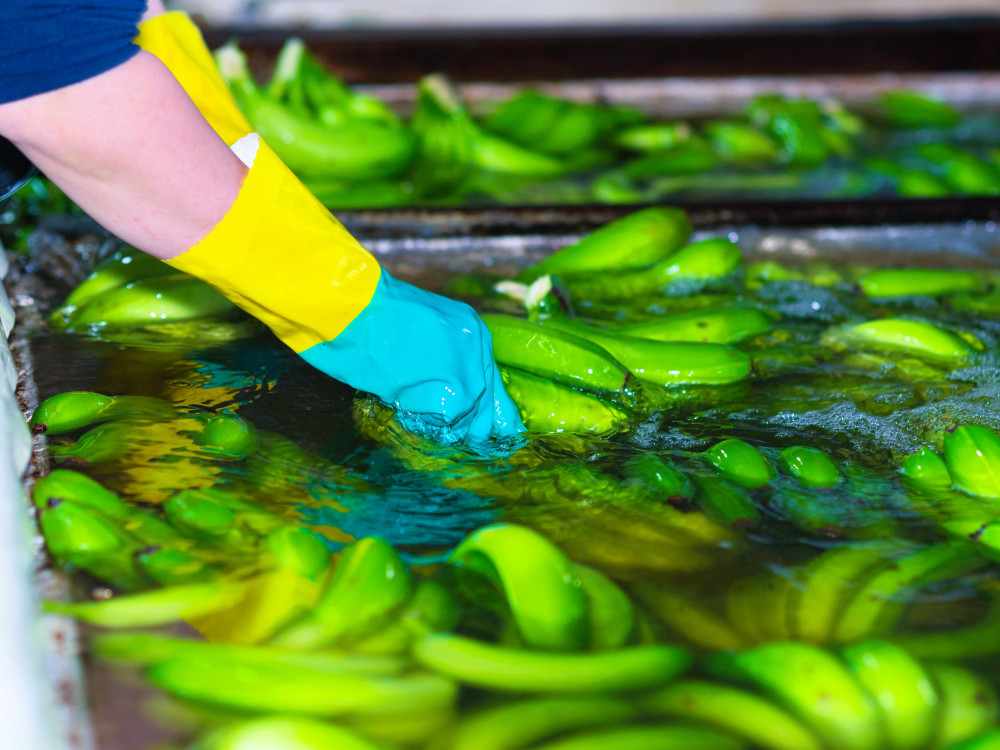
The project seeks to promote the sustainable transformation of Ecuador's banana industry by reducing its environmental footprint and ensuring compliance with international sustainability standards. It strengthens institutional and policy frameworks, improves national systems for monitoring, reporting, and verifying carbon and water footprints, and builds capacities for the adoption of climate-smart agricultural practices across the value chain.
Reducing greenhouse gas emissions in potato-pasture systems in Ecuador and Peru
Regional technical cooperation project aimed at reducing greenhouse gas emissions in potato-pasture production systems in the Andean region of Ecuador and Peru through conservation agriculture practices. The project includes the characterization and typification of production systems, evaluation of conservation agriculture and conventional practices on productivity, soil conservation, nutrients, economic benefits and GHG emissions, comparison of measured emissions with IPCC estimates, integration of productive, socioeconomic and environmental information, and capacity development through knowledge management, cooperation and training.
Policy frameworks
(189 records
)
Ecuador: Ministerial Agreement No. 032 - Instructions for the delivery of the partial subsidy of beekeeping kits for beekeeping associations and independent beekeepers of the FPARTAA Project
It regulates the delivery of a partial subsidy covering 75% of the cost of beekeeping kits—comprising live material (queen bees), beekeeping equipment, and inputs—to nonprofit beekeeping associations and independent beekeepers across continental Ecuador, under Component 3 of the FPARTAA project. The mechanism operates through resource transfer agreements with the state bank BanEcuador, cooperation agreements with supplying companies, and co-execution agreements with beneficiaries, who cover a 25% co-payment. The policy prioritizes family and smallholder farmers and aims for at least 24% female participation, strengthening sustainable honey production among small and medium-scale beekeepers.
Contingency Plan for African Swine Fever in Ecuador
The Contingency Plan for African Swine Fever in Ecuador establishes a strategic guide for early detection, rapid response and effective eradication of African Swine Fever. The document defines response phases from alert to animal health emergency, sanitary measures, diagnostic protocols, national operational organization, recovery, restocking, compensation, biosecurity and risk communication, with coordination between the public and private sectors.
State Public Policy for the Ecuadorian Agricultural Sector 2025-2034 "Hands for the Field"
State public policy of Ecuador's Ministry of Agriculture and Livestock (MAG), developed with IICA support and validated by the National Planning Secretariat, establishing the vision, objectives and strategies for the Ecuadorian agricultural sector for 2025-2034. Its general objective is to promote the agricultural sector sustainably through innovation, research and technology, ensuring food security and sovereignty. It articulates ten strategic axes: productivity, quality and food safety; market orientation and development; access to services and infrastructure; associativity; environmental sustainability and climate change; institutional modernization; family farming; rural welfare; financing and insurance; and education, innovation and technical assistance.
Good practices
(16 records
)
Buen Vivir in Rural Territories Programme
The programme aims to improve food security and livelihoods of food-insecure rural households in poverty, largely dependent on small-scale agriculture and vulnerable to climate change. It promotes an endogenous territorial development model centred on family-scale agroecological production, organizational and community capacity strengthening, and investment in territorial economic initiatives. It supports the implementation of national food sovereignty policy within a complementarity framework across government levels, with attention to sustainable water and natural resource management.
ImpactCAF: Towards a resilient, sustainable, and regenerative agricultural sector
Institutional program of the Development Bank of Latin America and the Caribbean (CAF) aimed at evaluating, highlighting, and strengthening the impact of its financing and technical cooperation operations in the agricultural sector of Latin America and the Caribbean.
The initiative promotes a model of sustainable, inclusive, and regenerative agriculture, integrating climate resilience, technological innovation, efficient management of natural resources, and the inclusion of small producers in sustainable value chains.
Promotion of agro-industrial exports of prioritized products
As part of efforts to strengthen Andean agri-food trade, the promotion of exports is being encouraged through a comprehensive characterization of international markets, aimed at identifying trends, specific demands, and strategic opportunities for agricultural products from the Member Countries. This work includes the analysis of market access conditions, as well as the identification of logistical and regulatory barriers that hinder the competitiveness of value chains, particularly those linked to family farming. In addition, the export potential of prioritized products is being assessed, with a view to improving their actual prospects for entry into external markets through technical assistance, trade promotion, and regulatory alignment. These efforts are integrated into a regional strategy to promote international trade, focused on leveraging subregional synergies, generating added value, and positioning Andean agri-food products as sustainable, traceable, and high-quality.
Dialogue rooms
(6 records
)


Partners