+506 2216 0222
opsaa@iica.int


DID YOU KNOW?
-
Niño3.4 Exceeds +2°C
In July 2026, the Niño3.4 index exceeded a +2°C sea-surface temperature anomaly in the equatorial Pacific, a threshold that Météo-France classifies as strong El Niño intensity. -
El Niño 2026 Among Strongest Since 1950
Among the most intense episodes observed since 1950 could be the 2026 El Niño: six-month seasonal forecasts indicate that the Niño3.4 index will continue rising and peak in late 2026, potentially reaching very strong intensity. -
El Niño Limits Atlantic Cyclone Activity
4 low-intensity, short-lived tropical systems had been observed in the 2026 Atlantic season by August 28; only Tropical Storm Dolly occurred in the main development region. Météo-France links this historically low activity to the strong El Niño an...
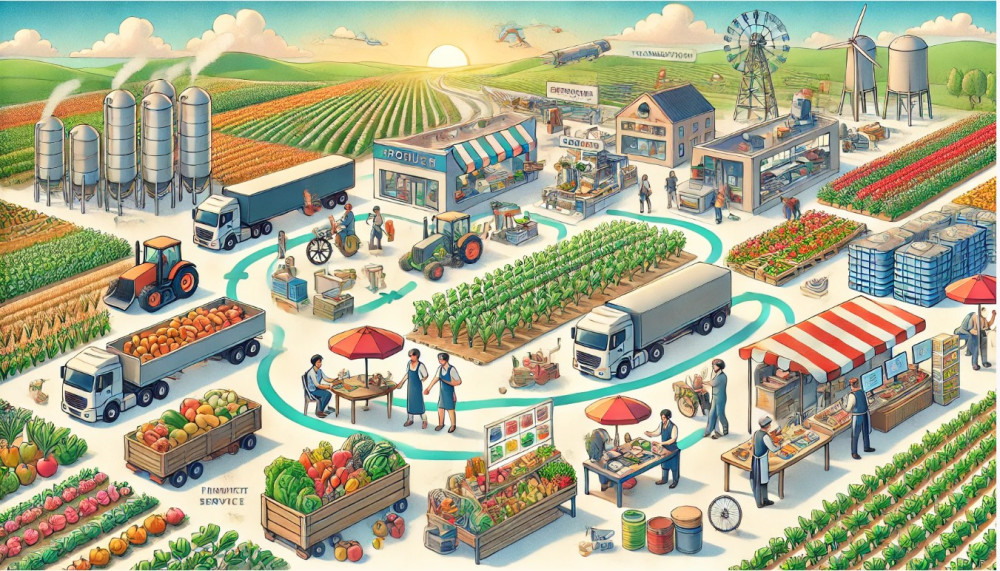
Value Chains
Value chains in agrifood systems include all actors and processes involved in the production, processing, distribution, and commercialization of agrifood products. This encompasses primary producers, intermediaries, processors, retailers, and exporters, linking them to end consumers.
Resources
(211 records
)


Events
(66 records
)

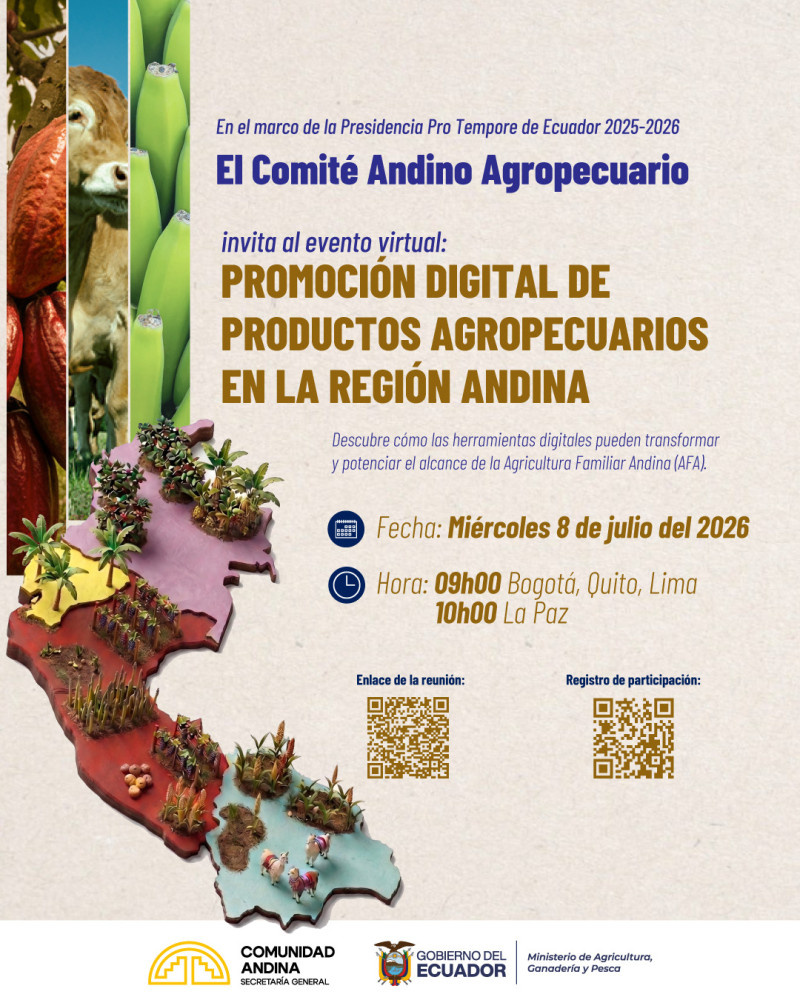
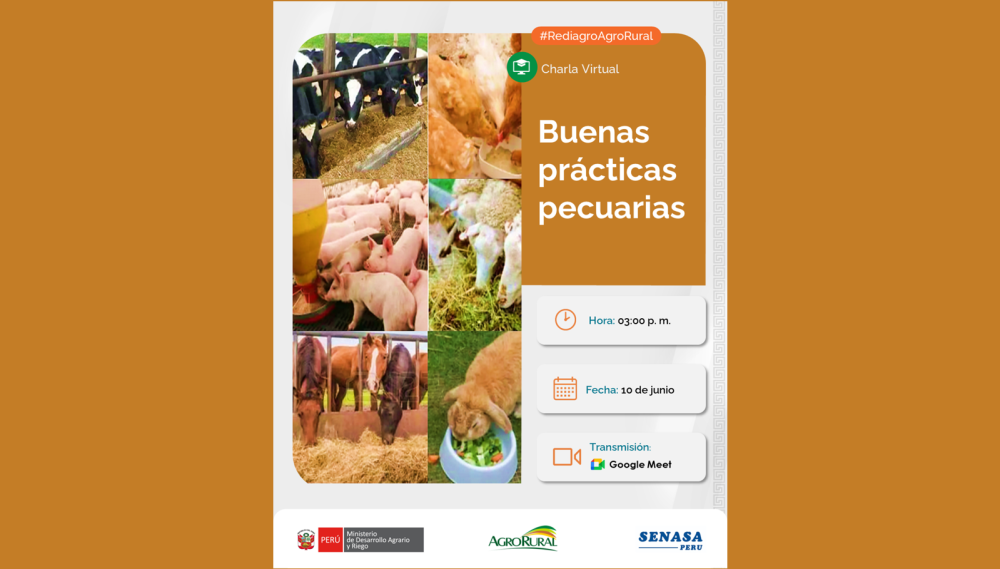
Evidences
(2468 records
)
Niño3.4 Exceeds +2°C
In July 2026, the Niño3.4 index exceeded a +2°C sea-surface temperature anomaly in the equatorial Pacific, a threshold that Météo-France classifies as strong El Niño intensity.
El Niño 2026 Among Strongest Since 1950
Among the most intense episodes observed since 1950 could be the 2026 El Niño: six-month seasonal forecasts indicate that the Niño3.4 index will continue rising and peak in late 2026, potentially reaching very strong intensity.
El Niño Limits Atlantic Cyclone Activity
4 low-intensity, short-lived tropical systems had been observed in the 2026 Atlantic season by August 28; only Tropical Storm Dolly occurred in the main development region. Météo-France links this historically low activity to the strong El Niño and high wind shear.
More recent in politics
Investments and Public Expenditure
(246 records
- USD 107,013,485,603.00
)
FORECCSA+ - Strengthening Community Resilience to the Adverse Effects of Climate Change with an Emphasis on Food Security and Gender Considerations in Priority Areas of Ecuador
Green Climate Fund SAP069 project in Ecuador, known as FORECCSA+, aimed at strengthening community resilience to the adverse effects of climate change, with an emphasis on food security and gender considerations. The project will be implemented by the Inter-American Institute for Cooperation on Agriculture (IICA), as Accredited Entity and Executing Entity, in coordination with the Government of Ecuador through the Ministry of Environment and Energy (MAE), the Ministry of Agriculture, Livestock and Fisheries (MAGP), the National Institute of Meteorology and Hydrology (INAMHI), and the National Institute for Agricultural Research (INIAP). The initiative seeks to reduce climate risks in 115 parishes across 11 provinces through the implementation of adaptation measures, strengthened production systems, improved market access, expanded sustainable financing opportunities, and stronger territorial governance mechanisms. The project scales up the previous FORECCSA experience from 2011-2018 and prioritizes vulnerable rural populations, women, youth, small producers, bio-enterprises and local governments.
Policy frameworks
(330 records
)
Implementation of Projects Supporting Fish Farming Production
The Decentralized Public Institution for Fisheries and Aquaculture (IPD-PACU) offers an in-person procedure for implementing projects that support fish farming production. The page identifies Supreme Decree No. 1922, Supreme Decree No. 4632, and the Operating Regulations for Public-Private In-Kind Transfers of the project for productive systems, training, commercialization, and equipment for the sustainable development of fisheries and aquaculture in Bolivia as its legal framework.
Agreement for the Marketing of White Maize from the 2026 Spring-Summer Agricultural Cycle in Six Mexican States
The Government of Mexico, through the Ministry of Agriculture and Rural Development, reached an agreement with trading companies, flour processors, and food-industry representatives to advance the marketing of the white maize harvest from the 2026 Spring-Summer agricultural cycle in Campeche, Guanajuato, Jalisco, Michoacan, Queretaro, and Tlaxcala. The agreement is part of the actions implemented through Mexico's White Maize Production and Marketing Coordination System and seeks to connect producers with purchasing companies, strengthen grain marketing, provide greater certainty to the value chain, and contribute to food sovereignty. The Ministry also announced that, in a second stage, the main producing states will have a support mechanism for fair and direct marketing, although the specific conditions of that mechanism are not defined in the communication.
Expansion of AgriStability to Include Pasture-Related Feed Costs
The Government of Canada announced an expansion of AgriStability to include pasture-related feed costs as an allowable expense beginning with the 2026 program year. The measure aims to provide more equitable support for livestock producers whose animals graze on land they do not own, particularly cow-calf, sheep and goat farmers who rely on rented pastureland. The update strengthens business risk management tools to protect producers against large income declines resulting from production losses, rising costs or market conditions.
Good practices
(11 records
)
Sustainable artisanal fisheries and bio-businesses for food security with market access in the Peru–Colombia Border Integration Zone
Sustainable artisanal fisheries and bio-businesses for food security with market access in the Peru–Colombia Border Integration Zone is a binational technical cooperation initiative in the Putumayo River basin aimed at strengthening sustainable artisanal fishing and food security. It promotes cross-border governance through a binational roundtable, diagnostics and monitoring campaigns focused on water quality and fish species of commercial interest. It supports fisheries value-chain bio-businesses through awareness and technical training, financial education, technical assistance, formulation of business models and non-reimbursable equipment support, plus binational fairs and strategic commercial alliances. It also includes community food security plans, training in good food practices, field schools and collective solutions for access to safe water such as collection, filtration and storage. The initiative is implemented in Peru and Colombia over 24 months, financed by the Colombia–Peru Border Integration Zone Development Fund, with a required start in September 2025.
E-KAKASHI: The Agricultural Intelligence Brain
The project seeks to improve the productivity and sustainability of rice cultivation in Colombia through an innovative technological solution that combines Internet of Things, big data, artificial intelligence and cyber-physical systems. This technology, developed by PS Solutions (Softbank Group), transforms agriculture into a science based on data by collecting real-time information from the environment and crops to determine optimal levels of agricultural parameters. The project will benefit 16,000 Colombian rice farmers, especially small producers from areas affected by armed conflicts who face productivity problems due to lack of access to technologies and financial services. Additionally, e-kakashi contributes to solving environmental problems by optimizing water use and reducing methane emissions from rice paddies, which represent approximately 20% of global emissions of this gas. The project has two phases: demonstration of efficacy under real conditions in collaboration with CIAT and commercial expansion in Latin America and the Caribbean, combining non-reimbursable technical cooperation (up to US$500,000) with equity investment (up to US$1,500,000).
Support for the Development of Coffee Forest Information Systems in El Salvador
IDB technical cooperation aimed at designing a national system that generates and disseminates relevant and timely information for the design, monitoring, and evaluation of competitiveness and sustainability policies for Salvadoran coffee growing. The project seeks to strengthen the coffee sector's information systems by developing a statistical system comprised of a coffee grower registry, a georeferenced coffee census, and complementary surveys that generate dynamic data with national coverage. It includes the design of mechanisms for capturing and analyzing information from national and international markets, as well as traceability systems using blockchain methodology. The project addresses the problem of the lack of specialized information that limits the design and implementation of effective policies for a sector that represents 22% of the country's forests and has historically been a national economic driver. The initiative supports the execution of loan ES-L1135 "Strengthening the Climate Resilience of Coffee Forests in El Salvador."
Dialogue rooms
(4 records
)

Family farming linked to competitive markets. Public food procurement, valuation of origin-related attributes, productive alliances.
Responses of technical assistance and rural extension to the challenges of competitive sustainability in family farming and rural MSMEs.

Inserción financiera e inversiones de impacto para la agricultura familiar y las MIPYMES rurales