+506 2216 0222
opsaa@iica.int


DID YOU KNOW?
-
Farmers capture 18.5% of the final price
18.5% of the final price of food purchased for at-home consumption in the United States was captured by producers in 2024. -
SMEs Dominate the Regional Agrifood Sector
66% of surveyed agrifood companies in Latin America and the Caribbean identify themselves as small and medium-sized enterprises (SMEs). -
Companies Demand Trade-Related Training
67% of surveyed agrifood companies in Latin America and the Caribbean are interested in training on market access and international trade.
Value Addition
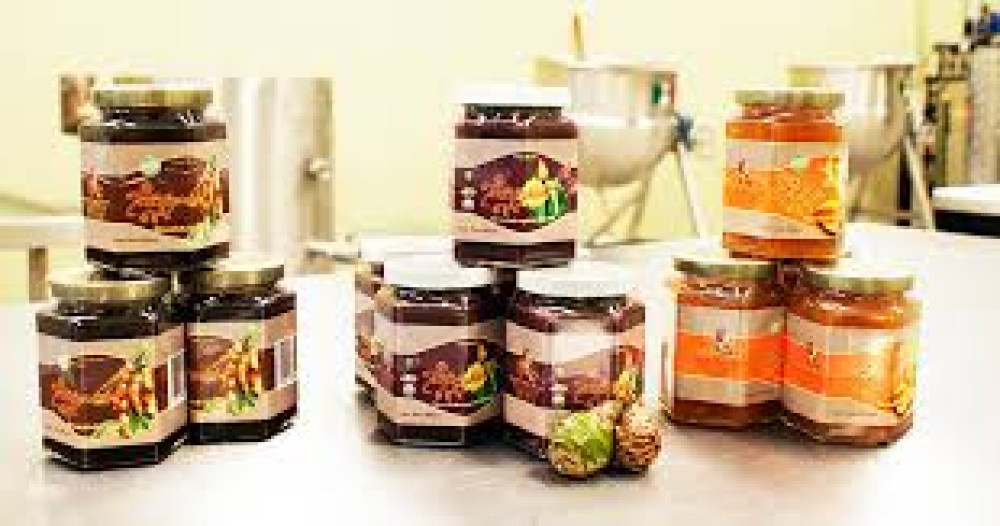
A cross-cutting perspective from the area of VALUE ADDITION policies by components, countries, sources of funding, beneficiaries, instruments, economic sectors, and best practices.
Resources
(82 records
)


Events
(15 records
)


Evidences
(129 records
)
Farmers capture 18.5% of the final price
18.5% of the final price of food purchased for at-home consumption in the United States was captured by producers in 2024.
SMEs Dominate the Regional Agrifood Sector
66% of surveyed agrifood companies in Latin America and the Caribbean identify themselves as small and medium-sized enterprises (SMEs).
Companies Demand Trade-Related Training
67% of surveyed agrifood companies in Latin America and the Caribbean are interested in training on market access and international trade.
More recent in politics
Investments and Public Expenditure
(181 records
- USD 5,993,220,171.00
)
Policy frameworks
(135 records
)
SENASA Resolution No. 200/2026: Regulatory Framework for Dairy Farms Supplying Milk for Dairy Products Exported to the European Union and the United Kingdom
SENASA Resolution No. 200/2026 approves Argentina's technical regulation governing the authorization of primary production establishments, or dairy farms, as suppliers of milk to receiving, treatment or processing plants producing dairy products and by-products for export to the European Union and the United Kingdom of Great Britain and Northern Ireland. The framework establishes sanitary, hygiene and structural requirements, applications through the SIGTramites platform, official SENASA inspections, mandatory participation of a veterinarian as sanitary co-responsible professional, issuance of an authorization certificate valid for two years, renewal and reinspection procedures, record-keeping requirements, preventive suspension and withdrawal of authorization, progressive digitalization of administrative procedures and sanctions for non-compliance.
Supreme Decree No. 015-2026-EF: Tax Regulations of Law No. 32434
Supreme Decree No. 015-2026-EF approves the Regulations of Law No. 32434, the Law promoting the productive, competitive and sustainable transformation of the agricultural sector with social protection towards modern agriculture, in tax matters. The Regulations establish tax conditions and procedures applicable to small agricultural producers, agricultural companies and associative entities covered by the Law, including provisions on income tax and withholding obligations, requirements and procedures for obtaining reimbursement of Value Added Tax paid on eligible purchases and imports linked to the production of exempt agricultural goods, and rules related to the simplified customs duty drawback mechanism. They also establish information, accreditation and coordination requirements involving beneficiaries, the Ministry of Agrarian Development and Irrigation and SUNAT.
Supreme Decree No. 005-2026-MIDAGRI: Regulations for the Law Promoting the Industrialization of Potato Production
Supreme Decree No. 005-2026-MIDAGRI approves the Regulations of Law No. 31920, the Law Promoting the Industrialization of Potato Production. The Regulations establish actions to add value, promote competitiveness and sustainability throughout the potato value chain, increase producer profitability, improve the quality of processed potato products and strengthen industrial linkages. Its instruments include co-financing for machinery and technical training, extension and technical assistance services, promotion of certified seed, guarantee funds and credit lines, research and technology transfer, linkages with domestic and international markets, associative contracts, promotional campaigns and environmental sustainability measures. It also requires specific targets and indicators for potato industrialization to be incorporated into the National Agroindustrial Competitiveness Plan.
Good practices
(13 records
)
Chocolate Island — Cocoa, Carbon and Community
The project drives Trinidad and Tobago's cacao and chocolate industry toward a post-pandemic, ESG-aligned productive model through an innovative approach that integrates the cacao value chain with carbon capture mechanisms and community development, packaged together in an impact investment offer called "Cacao, Carbon and Community." The initiative seeks to attract impact investors by delivering simultaneous returns across three dimensions: financial, through the commercialization of fine cacao and single-origin chocolate; environmental, by valorizing ecosystem services and carbon credits generated by cacao agroforestry systems; and social, by strengthening local farming communities and improving their livelihoods. In doing so, the project positions Trinidad and Tobago as a destination for sustainable investment in the Caribbean agrifood sector, leveraging the country's historic reputation in fine flavor cacao production to build a differentiated and regionally replicable value proposition.
Biovalor / Bioterra demonstration projects
An initiative launched in Uruguay to promote the valorization of agro-industrial waste through the development of demonstration projects. Through Biovalor and its successor (Bioterra), the aim is to transform waste into value-added products, such as biofertilizers, energy, or production inputs, fostering a circular economy and sustainability.
Agricultural Health and Innovation Project (DR-L1137)
Inter-American Development Bank (IDB) loan operation designed to improve the competitiveness of the agricultural sector in the Dominican Republic. The project aims to increase productivity, facilitate international market access, and raise food quality by improving agricultural health and food safety services, boosting innovation and the transfer of plant and animal health technologies (including the use of bio-inputs), and strengthening the national agricultural statistics system.
Dialogue rooms
(3 records
)

Family farming linked to competitive markets. Public food procurement, valuation of origin-related attributes, productive alliances.

Responses of technical assistance and rural extension to the challenges of competitive sustainability in family farming and rural MSMEs.

Inserción financiera e inversiones de impacto para la agricultura familiar y las MIPYMES rurales
Partners