+506 2216 0222
opsaa@iica.int


DID YOU KNOW?
-
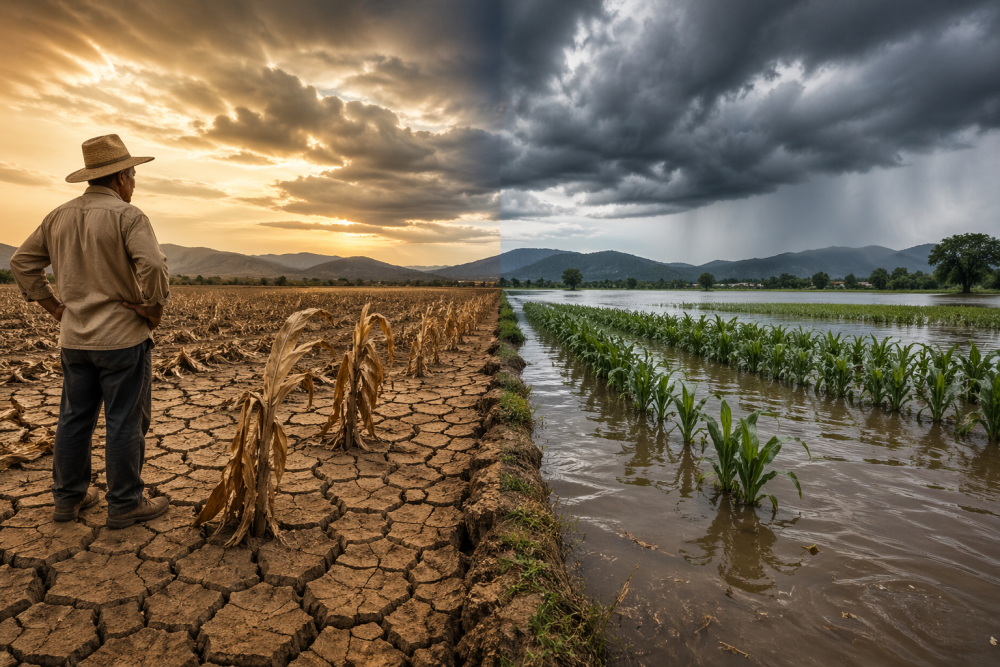
60% of economic losses affect agriculture
Nearly 60% of the economic losses caused by droughts and El Niño events are borne by the agricultural sector, highlighting its high vulnerability to climate variability. -
58% of losses occurred in agriculture
58% of the economic losses recorded in Costa Rica during the El Niño event occurred in the agricultural sector. -
More than USD 6 billion in losses from Hurricane
More than USD 6 billion in economic losses were caused by Hurricane Mitch in Central America, with approximately half occurring in the agricultural sector.
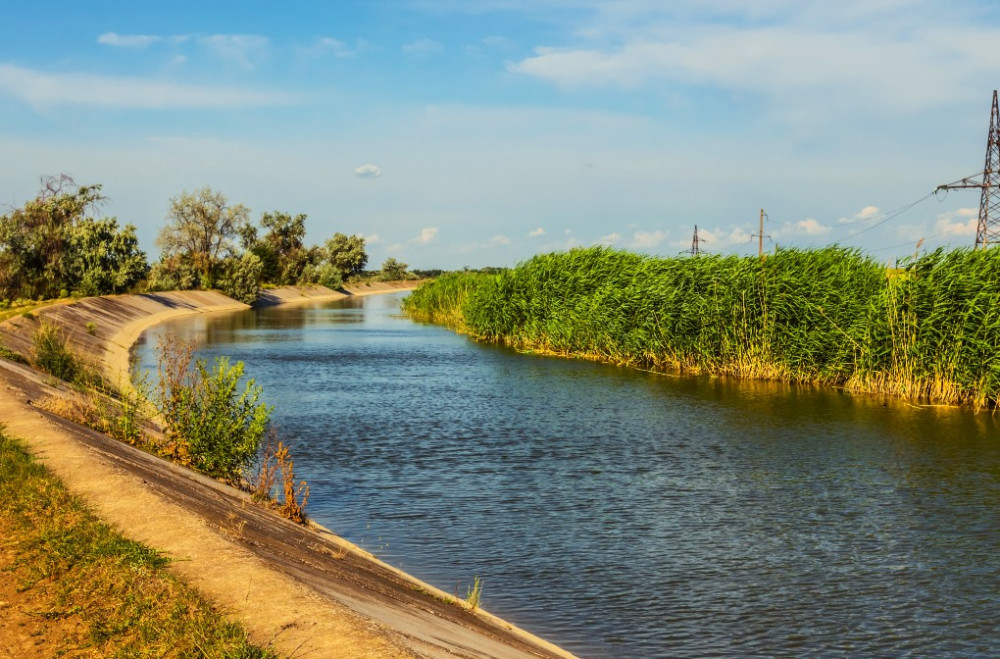
Water for Agriculture
Water policies for agriculture are state interventions in the form of norms, regulations, strategies, plans, programs or projects designed to guarantee access to and sustainable use of water in agriculture. It addresses topics such as the integrated management of water resources, water conservation, efficiency in the use of water, equity in the distribution of water, and adaptation to climate change. The main objective of these policies is to guarantee the availability of sufficient and high-quality water for agriculture, promote sustainable agricultural productivity and improve food security and well-being of rural communities.
Resources
(168 records
)
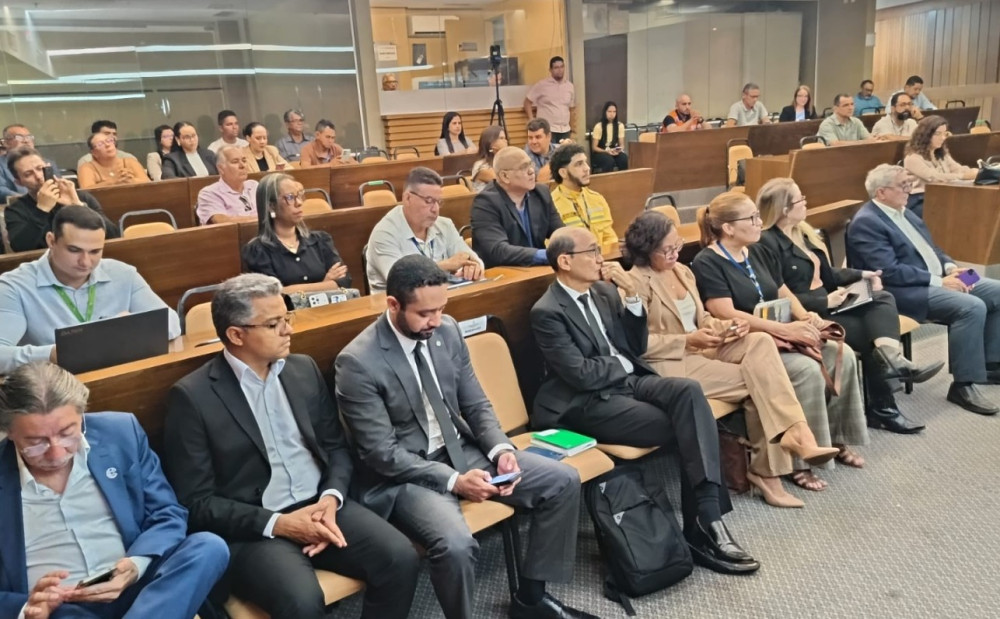
Events
(14 records
)
Evidences
(99 records
)
60% of economic losses affect agriculture
Nearly 60% of the economic losses caused by droughts and El Niño events are borne by the agricultural sector, highlighting its high vulnerability to climate variability.
58% of losses occurred in agriculture
58% of the economic losses recorded in Costa Rica during the El Niño event occurred in the agricultural sector.
More than USD 6 billion in losses from Hurricane
More than USD 6 billion in economic losses were caused by Hurricane Mitch in Central America, with approximately half occurring in the agricultural sector.
More recent in politics
Investments and Public Expenditure
(173 records
- USD 13,449,325,610.00
)
Expansion of agricultural mitigation measures in Panama's Dry Arc under the El Niño climate emergency (2026-2027)
Public funding package of B/. 8.21 million to expand prevention and mitigation measures addressing the effects of El Niño on the agricultural sector in the most vulnerable areas of Panama's Dry Arc, specifically Los Santos, Herrera, Coclé and parts of Veraguas. Measures presented by MIDA prioritize water security and include well inventories and flow measurements, rehabilitation and construction of livestock watering facilities, reservoirs and pumping systems, assessment of small dams, strategic forage reserves, distribution of productive inputs, and strengthened animal and plant health control and pest and disease monitoring.
Water Infrastructure Response to El Niño and Drought 2026
Government of Honduras initiative implemented through the Secretariat of Agriculture and Livestock to address the water deficit associated with El Niño and drought. It includes the construction of geomembrane reservoirs and an investment of HNL 180 million for drilling wells and installing solar pumps and drip-irrigation systems. It forms part of the comprehensive response intended to secure access to water, protect agricultural production and strengthen food security in affected territories.
Agricultural and Livestock Production Incentive Program 2026
Program forming part of the Government of Honduras comprehensive strategy to address the effects of El Niño and drought. Through the Secretariat of Agriculture and Livestock, the program distributes seeds, fertilizers and livestock feed to sustain production, strengthen the resilience of the agri-food sector and safeguard the food supply. It is projected to benefit 150,000 producers nationwide.
Policy frameworks
(548 records
)
Executive Decree No. PCM-016-2026: Declaration of a State of Emergency Due to Meteorological Drought in 75 Municipalities
Honduran Executive Decree declaring a 120-day state of emergency in 75 municipalities of Choluteca, Comayagua, El Paraíso, Francisco Morazán, La Paz and Valle affected by El Niño, meteorological drought and water deficits. It orders COPECO, SAG and the institutions of the Interinstitutional Technical Committee to implement the Comprehensive Drought Management Plan through prevention, mitigation, preparedness, response and capacity-building measures. It authorizes the reallocation of public resources, the mobilization of international cooperation and direct contracting to address water, sanitation, agricultural production, food security, health and nutrition needs.
National Plan for Irrigated Agriculture and Land Drainage (PLANARSAT) - Phase I (2015-2019)
National subsectoral plan to promote and strengthen irrigated agriculture and land drainage in Venezuela during Phase I (2015-2019). It articulates agrifood policies and provides for the rehabilitation, improvement and consolidation of public irrigation and drainage systems, development of new areas, infrastructure investment, inventory, evaluation, monitoring and control mechanisms, capacity building for users, efficient management of soil and water resources, and incentives for the maintenance and conservation of investments, with the purpose of contributing to food security and sovereignty, productivity, sustainability and integrated rural development.
J$149 Million Drought Mitigation Programme for Farmers in Jamaica
Jamaica's Ministry of Agriculture, Fisheries and Mining implemented a J$149 million drought mitigation programme to protect farmers from prolonged drought conditions. The programme includes trucking water to affected agricultural areas, constructing catchment ponds free of cost in areas used by farmer groups, and providing pond liners free of cost to individual farmers who undertake the excavation themselves. The intervention adopts a preventive approach to drought, improves agricultural water availability and storage, and reduces the vulnerability of agricultural production to dry climatic conditions.
Good practices
(14 records
)
Strengthening Strategic Capacities for Water Security in Prioritized Watersheds of the SICA Region
The project aims to contribute to water security in prioritized watershed territories of the SICA region by producing technical diagnostic studies, cost-of-inaction/benefit-of-action analyses (BACI), and strategic water investment plans with bankable project profiles per watershed. It operates in 8 watersheds across 8 countries —Belize, Guatemala, Honduras, El Salvador, Nicaragua, Costa Rica, Panama, and the Dominican Republic— incorporating gender, intercultural, and climate risk perspectives
GreenWatersheds: resilient forests and financing options for sustainable water supplies in the tropics
Regional project implemented in Cuba, Guatemala, Mexico, and the Dominican Republic that develops ecosystem-based adaptation (EbA) measures and innovative governance and financing mechanisms in priority watersheds, aimed at reducing community vulnerability to extreme climate events. The project combines forest restoration and the establishment of agroforestry systems with economic assessments of ecosystem services, the strengthening of participatory governance bodies, and the engagement of private sector actors in sustainable financing schemes.
Design of the Resilient Development Project for the Yuna River Basin
A non-reimbursable IDB technical cooperation supporting the Dominican Republic's National Institute of Hydraulic Resources (INDRHI) to design a program for irrigation improvement and climate change adaptation in the Yuna River Basin. It comprises pre-feasibility studies for irrigation infrastructure, ex-ante economic analysis, environmental and social assessment, gender gap analysis, and specialized engineering technical assistance.
Dialogue rooms
(1 records
)